Guaranteed early check-in and exclusive member pricing when you with us.
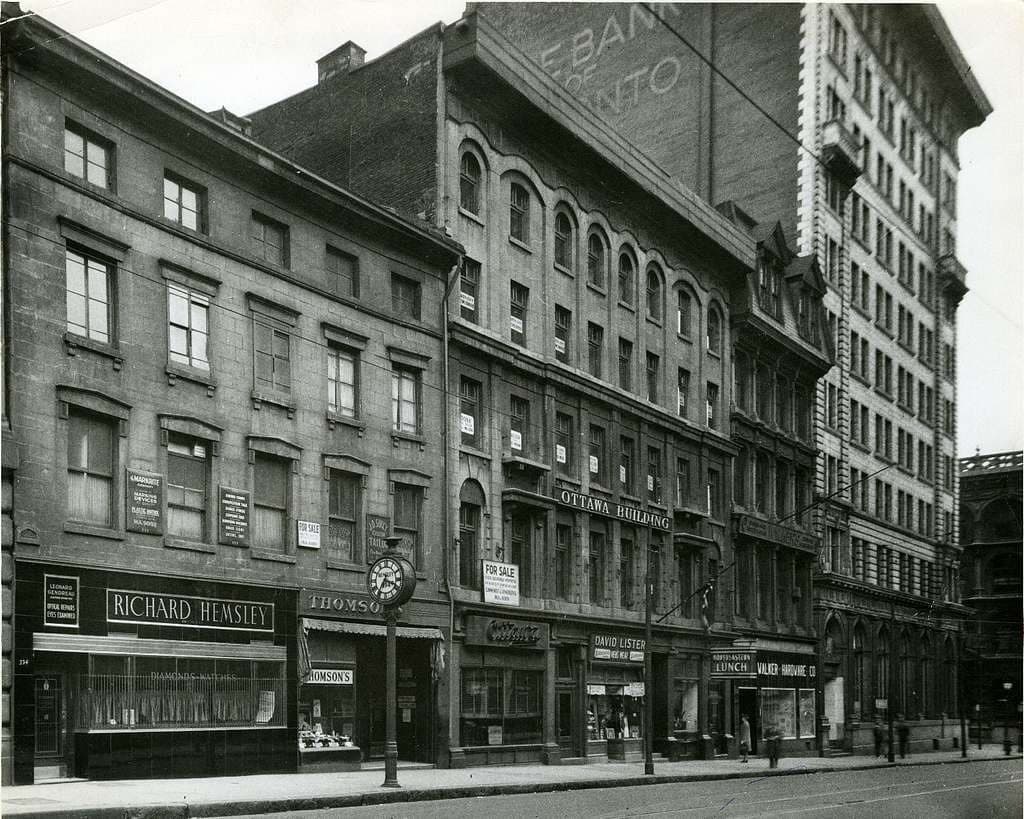
Historic streetscape of brick and stone buildings near Nester Finn Square Victoria in Montréal, including the former Ottawa Hotel

Nester Finn Square Victoria

Formerly The Ottawa Hotel, built 1845, Montréal

408 Rue Saint-Jacques sits on one of Montréal's most storied streets, in what was once the city's financial and commercial heart. In the mid-19th century, this site was home to the Ottawa Hotel, a prominent establishment opened in 1845 that quickly became one of the city's most celebrated inns. With its limestone façade, richly decorated interiors, and hot and cold water baths on every floor, the Ottawa welcomed dignitaries, performers, and notable visitors from North America and Europe, including author Harriet Beecher Stowe during her visit in 1869.

Designed during a period of rapid growth, the hotel reflected the importance of Rue Saint-Jacques—then known as Canada's Wall Street—as a centre of business and exchange. Over time, as Montréal evolved, the building adapted along with the neighbourhood, which became known for its grand stone façades, solid masonry construction, and classical architectural language meant to convey permanence and prestige.
Nester Finn St. Lawrence Market

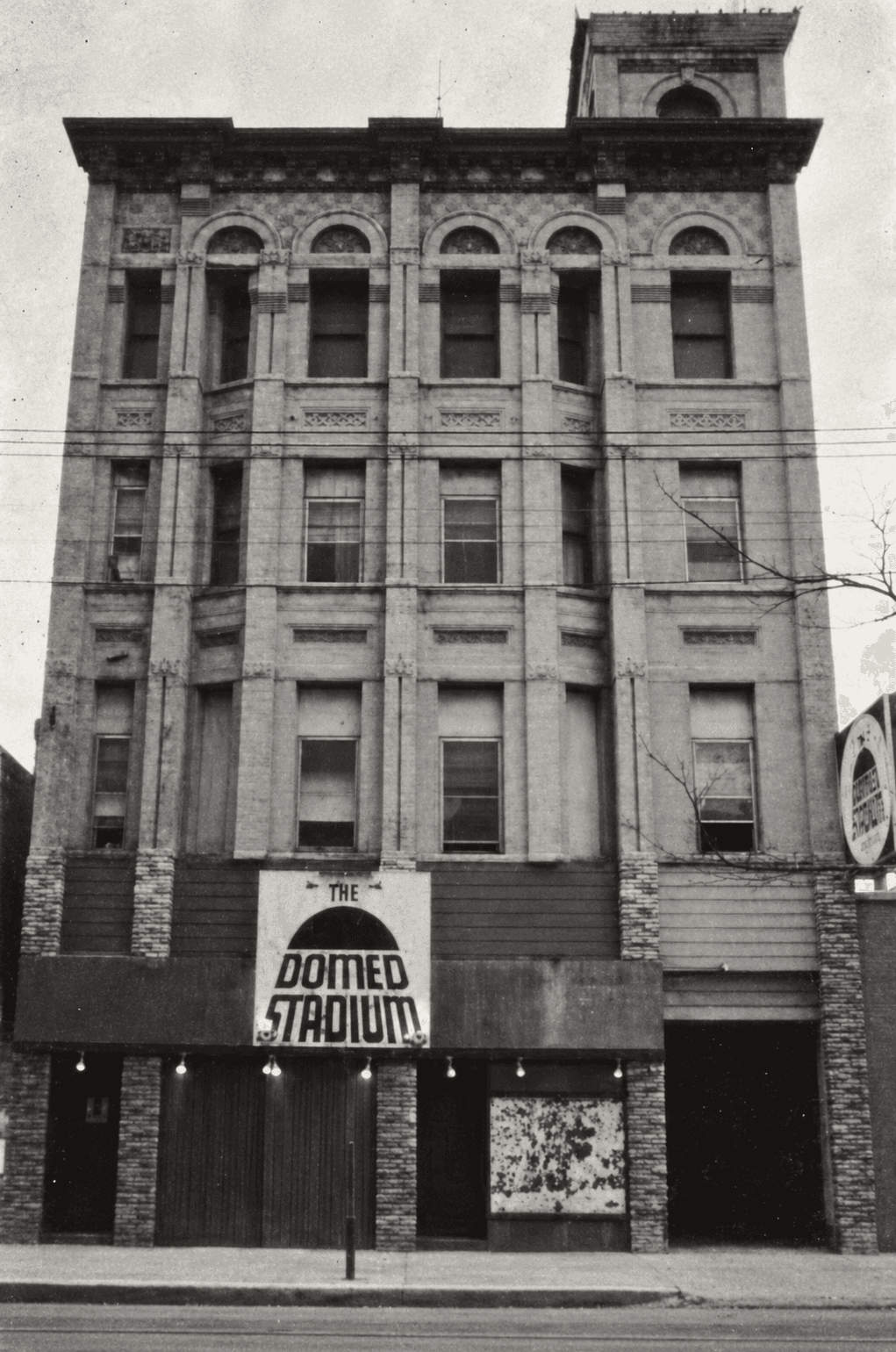
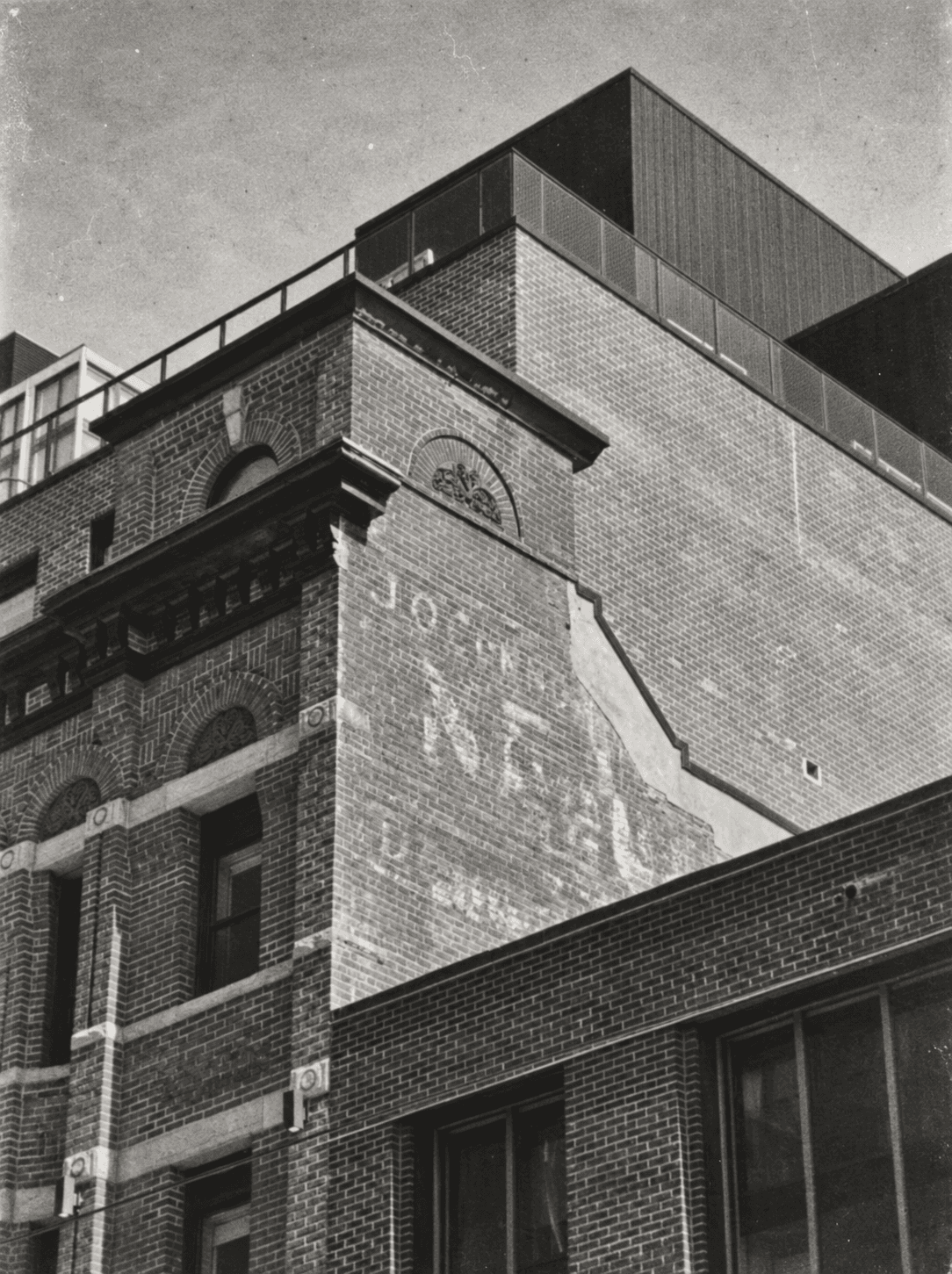
Formerly Nealon House, built 1888, Toronto

Built in 1888, the historic Nealon House is one of Toronto’s earliest surviving commercial buildings and a standout example of Romanesque Revival architecture. The building’s thick masonry walls, rounded stone arches, and tall windows reflect the confidence of a city expanding through trade, manufacturing, and its close ties to the nearby waterfront.

Commissioned by James Nealon at a cost of $1,200, the hotel passed through several hands after his untimely death two years later, and as the years passed it became woven into the colourful fabric of Old Town. In the 1930s, it even entered local legend when wrestling promoter and owner Jack Corcoran briefly employed the infamous criminal Norman “Red” Ryan as an evening greeter, until he was caught in an attempted robbery and killed.

Since then, the hotel has had several lives, including long runs as the Riviera Hotel and later the Domed Stadium Hotel. Remarkably, from its founding in 1888 through the mid-1990s, it operated continuously as a hotel and tavern, welcoming generations of guests through its arched doors.

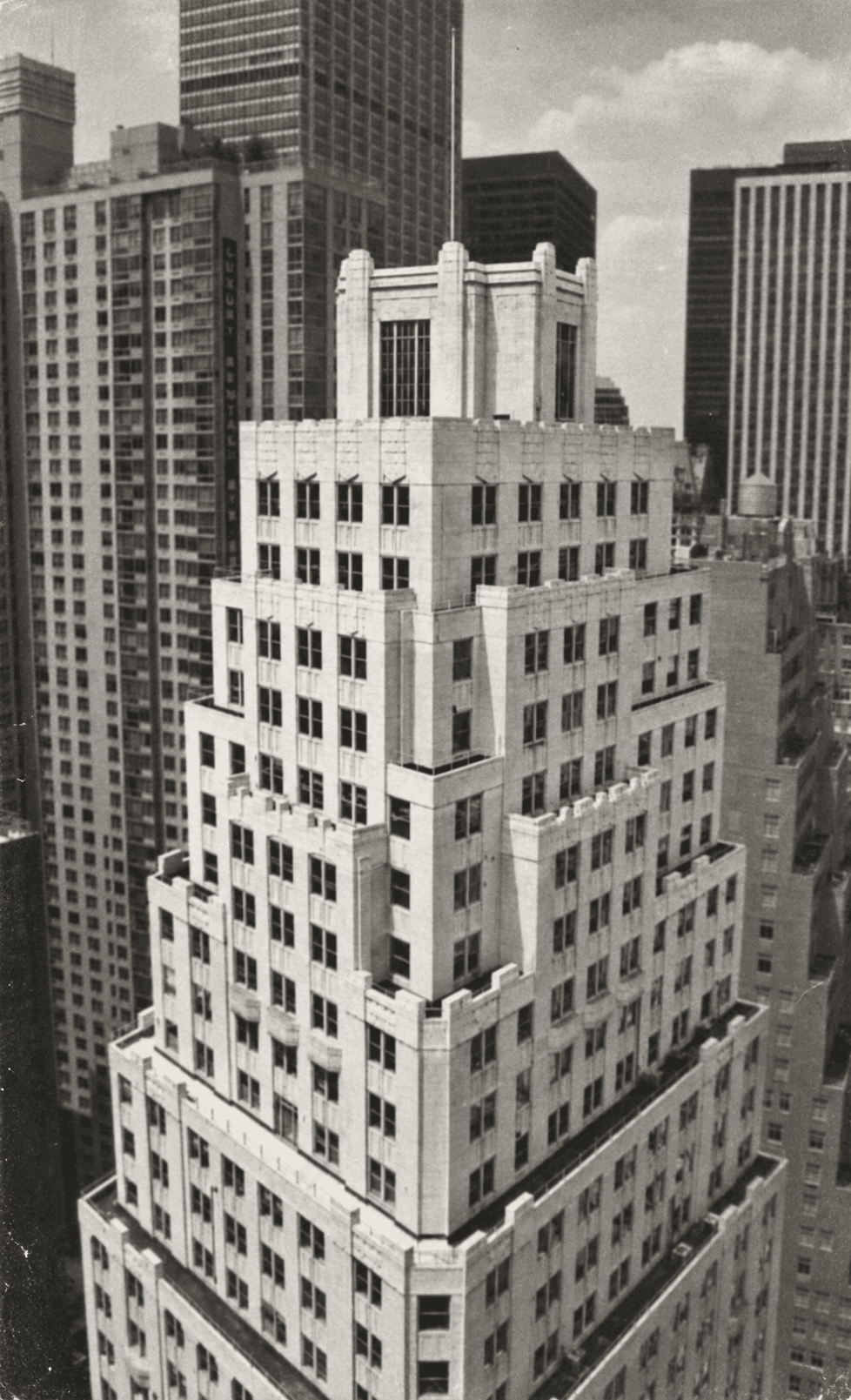
Sepia-toned photograph of 116 John Street in New York City, showing the Art Deco setbacks of Nester Finn Financial District

Nester Finn Financial District

116 John Street, built 1931, New York City

Included in the National Register of Historic Places, Nester Finn Financial District is an architectural landmark in Lower Manhattan's Financial District, a neighbourhood steeped in centuries of maritime, commercial, and civic history. The tower was completed in 1931, during the heyday of early-20th-century building booms that reshaped New York's skyline.

Designed by architect Louis Abramson, the building is a classic example of Art Deco architecture, a style then fashionable for its modernity and optimism. Its shape reflects the constraints of the city's 1916 zoning laws: a 35-story structure composed of a three-storey base, a 19-storey shaft, and a 12-storey crown that steps back in a series of receding setbacks. The facade combines light-colored brick above and terracotta cladding at the lower levels, a materials palette typical of the era. Architectural details include Art Deco-style ornamentation in the recessed entrances and throughout the lobby, subtle geometric motifs, and clean, elegant lines that evoke both the machine age and a refined urban aesthetic.

Originally built as a speculative office tower, particularly attractive to insurance companies and other financial firms, the building reflects the robust commercial ambitions of Lower Manhattan in the early 20th century. Over time, as the character of the Financial District has evolved, so too has 116 John Street. Beginning in 2012, it underwent conversion from a purely office building into apartments that now host guests from around the world. Today, the building stands as a layered symbol of New York's 1930s architectural ambition, of the commercial might of its past, and of the city's adaptive reuse and changing residential landscape.