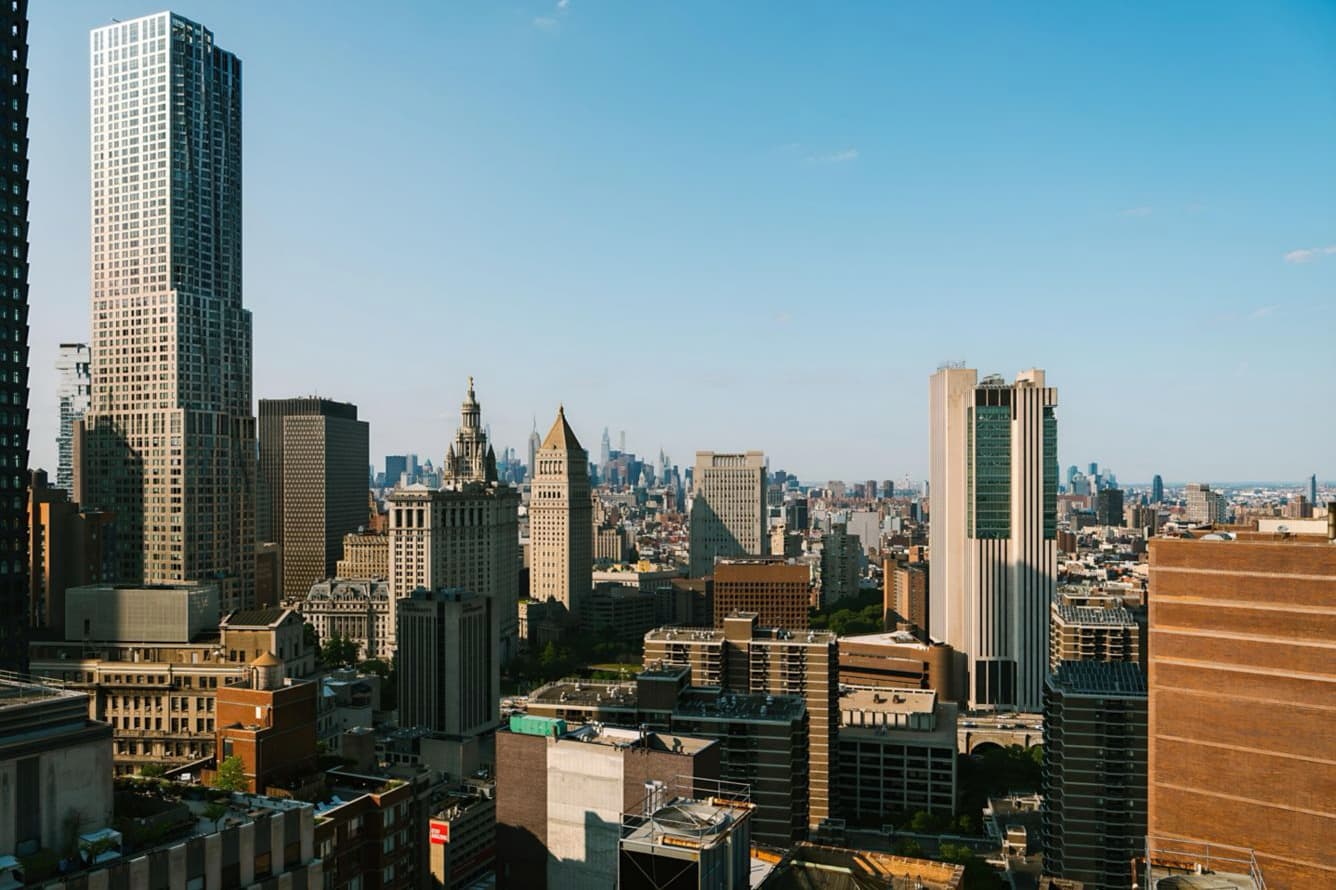
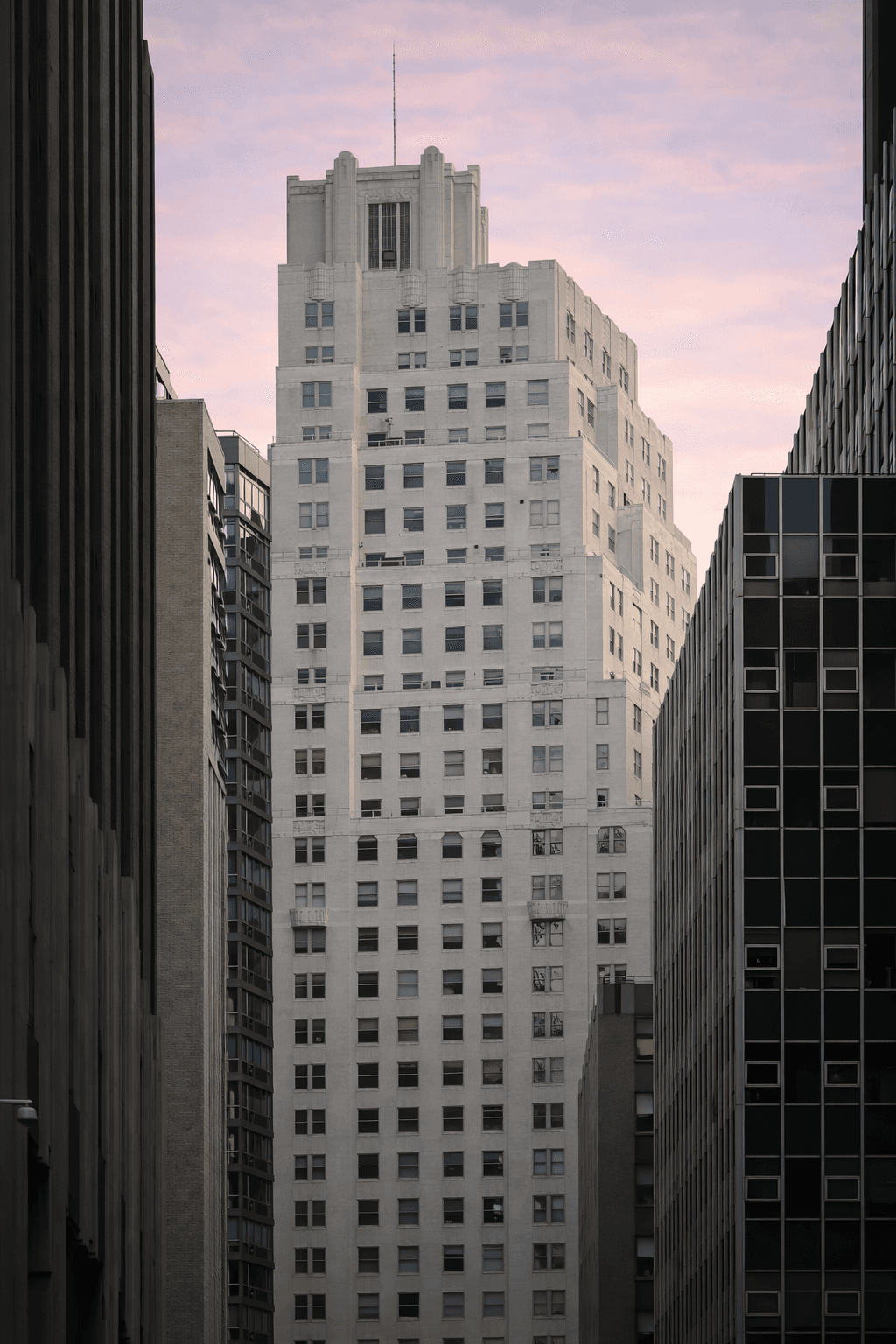
Included in the National Register of Historic Places, Nester Finn Financial District is an architectural landmark in Lower Manhattan's Financial District, a neighbourhood steeped in centuries of maritime, commercial, and civic history. The tower was completed in 1931, during the heyday of early-20th-century building booms that reshaped New York's skyline.
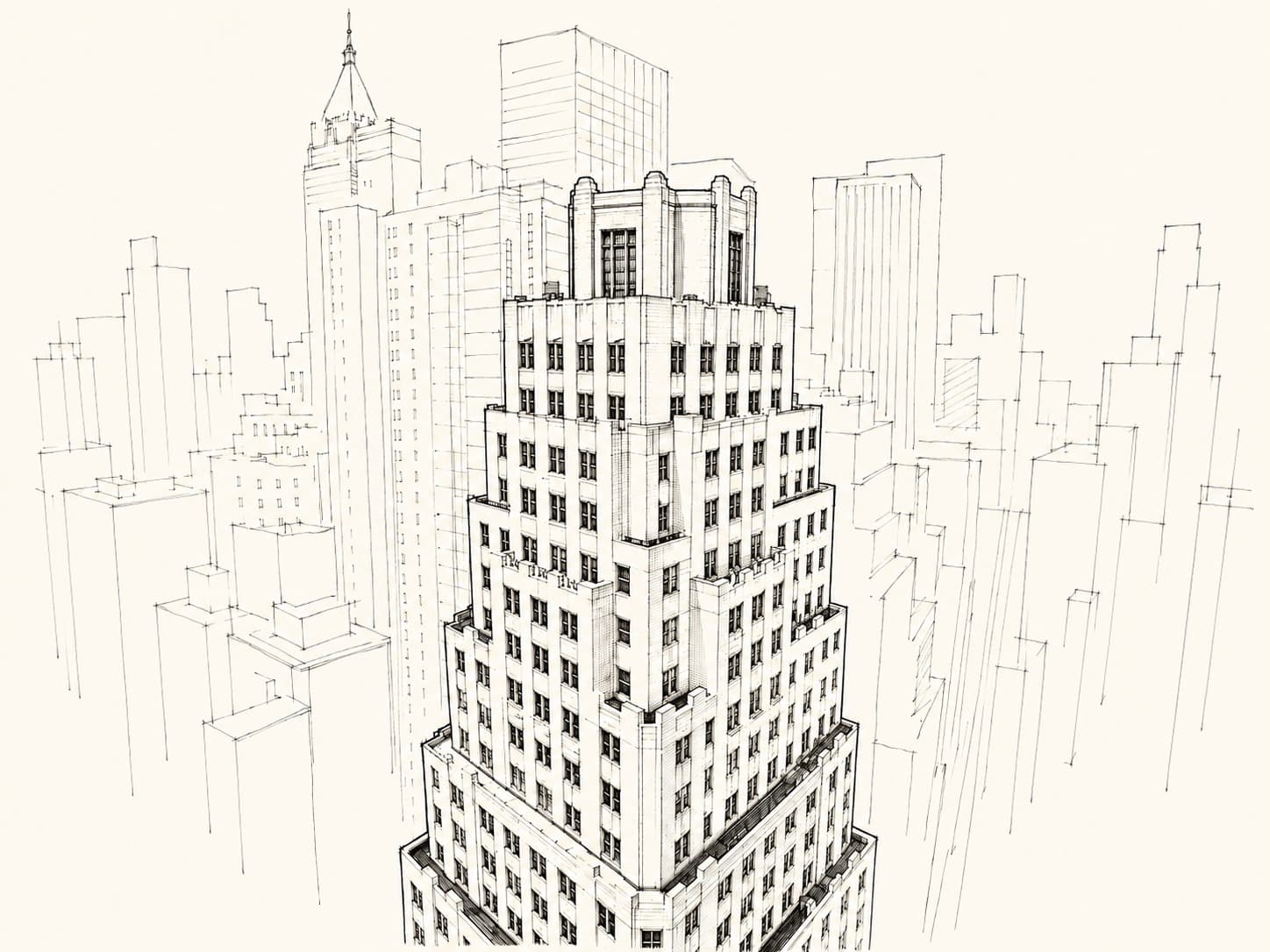
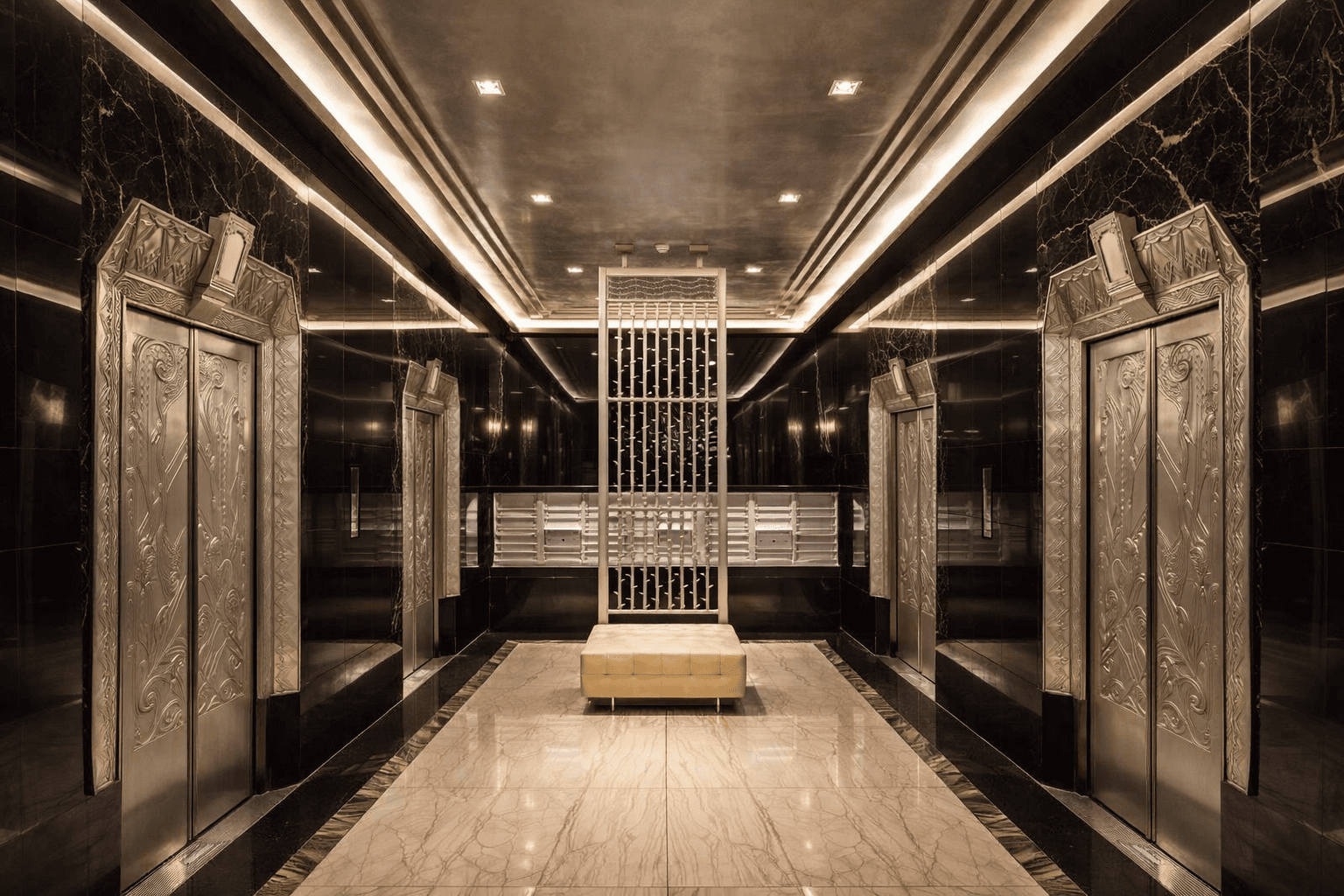
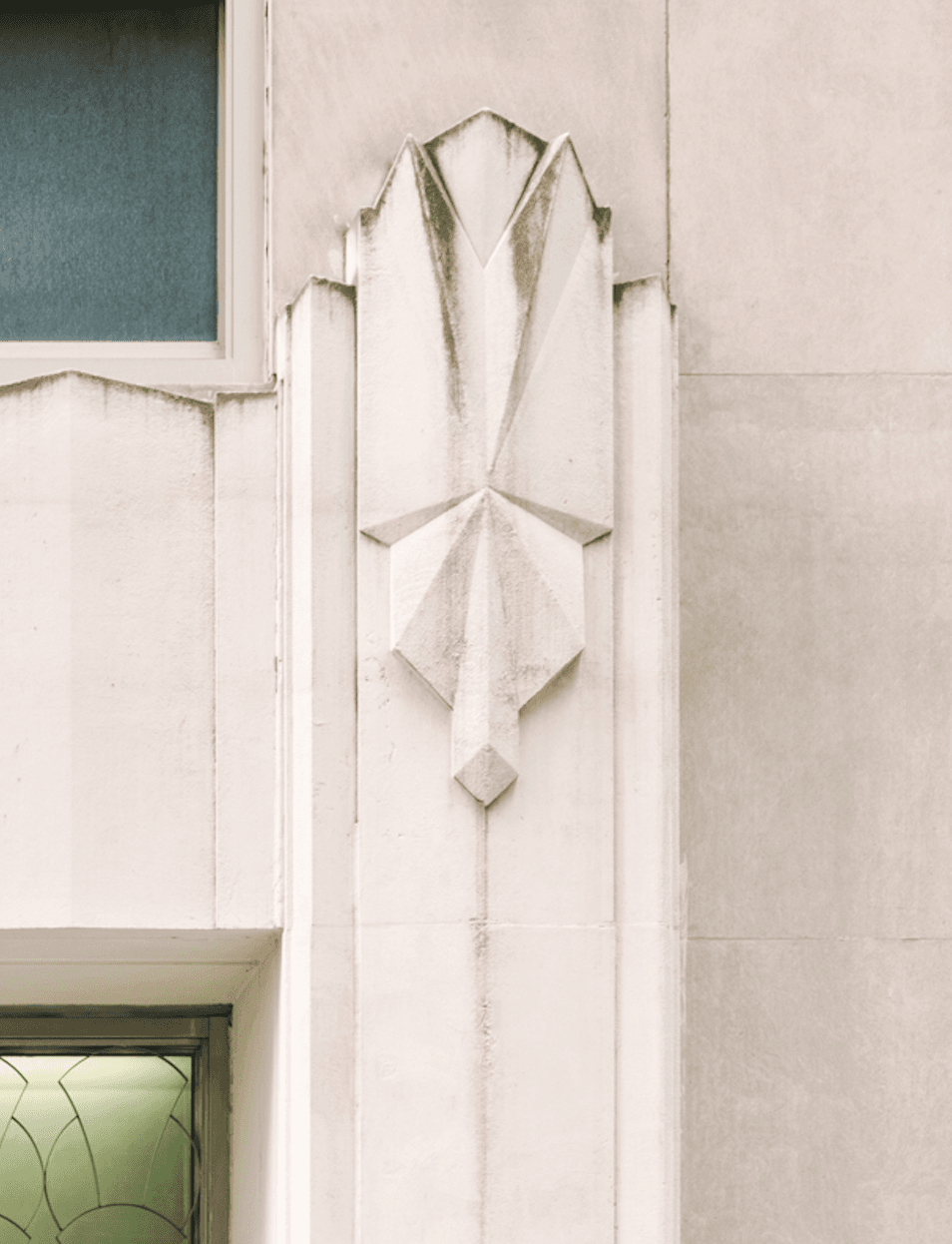
Designed by architect Louis Abramson, the building is a classic example of Art Deco architecture, a style then fashionable for its modernity and optimism. Its shape reflects the constraints of the city's 1916 zoning laws: a 35-story structure composed of a three-storey base, a 19-storey shaft, and a 12-storey crown that steps back in a series of receding setbacks. The facade combines light-colored brick above and terracotta cladding at the lower levels, a materials palette typical of the era. Architectural details include Art Deco-style ornamentation in the recessed entrances and throughout the lobby, subtle geometric motifs, and clean, elegant lines that evoke both the machine age and a refined urban aesthetic.
Originally built as a speculative office tower, particularly attractive to insurance companies and other financial firms, the building reflects the robust commercial ambitions of Lower Manhattan in the early 20th century. Over time, as the character of the Financial District has evolved, so too has 116 John Street. Beginning in 2012, it underwent conversion from a purely office building into apartments that now host guests from around the world. Today, the building stands as a layered symbol of New York's 1930s architectural ambition, of the commercial might of its past, and of the city's adaptive reuse and changing residential landscape.