Guaranteed early check-in and exclusive member pricing when you with us.

1931

Construction started at 1 Platt. The architect was Louis Allen Abramson, an interesting choice for a 35 story office tower. Abramson spent most of his seven decade career designing hospitals, nursing homes, and, notably, restaurants, including several of the city's beloved Art Deco Horn & Hardart Automats and the Longchamps restaurant chain.
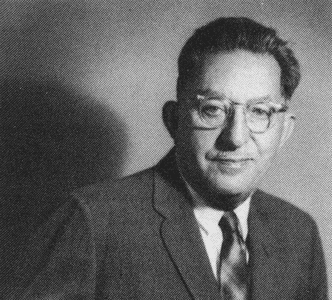
Studio portrait of architect Louis Allen Abramson

Louis Abramson

Architect

Construction began and finished right in the depths of the Great Depression, the same year the Empire State Building opened a few miles north. The New York State nomination for the National Register calls 116 John Street part of the final wave of skyscrapers built in the city before the Depression halted the 1920s building boom for years. It was purpose built as a speculative office tower for insurance companies, sited deliberately in what was then known as the city's insurance district.

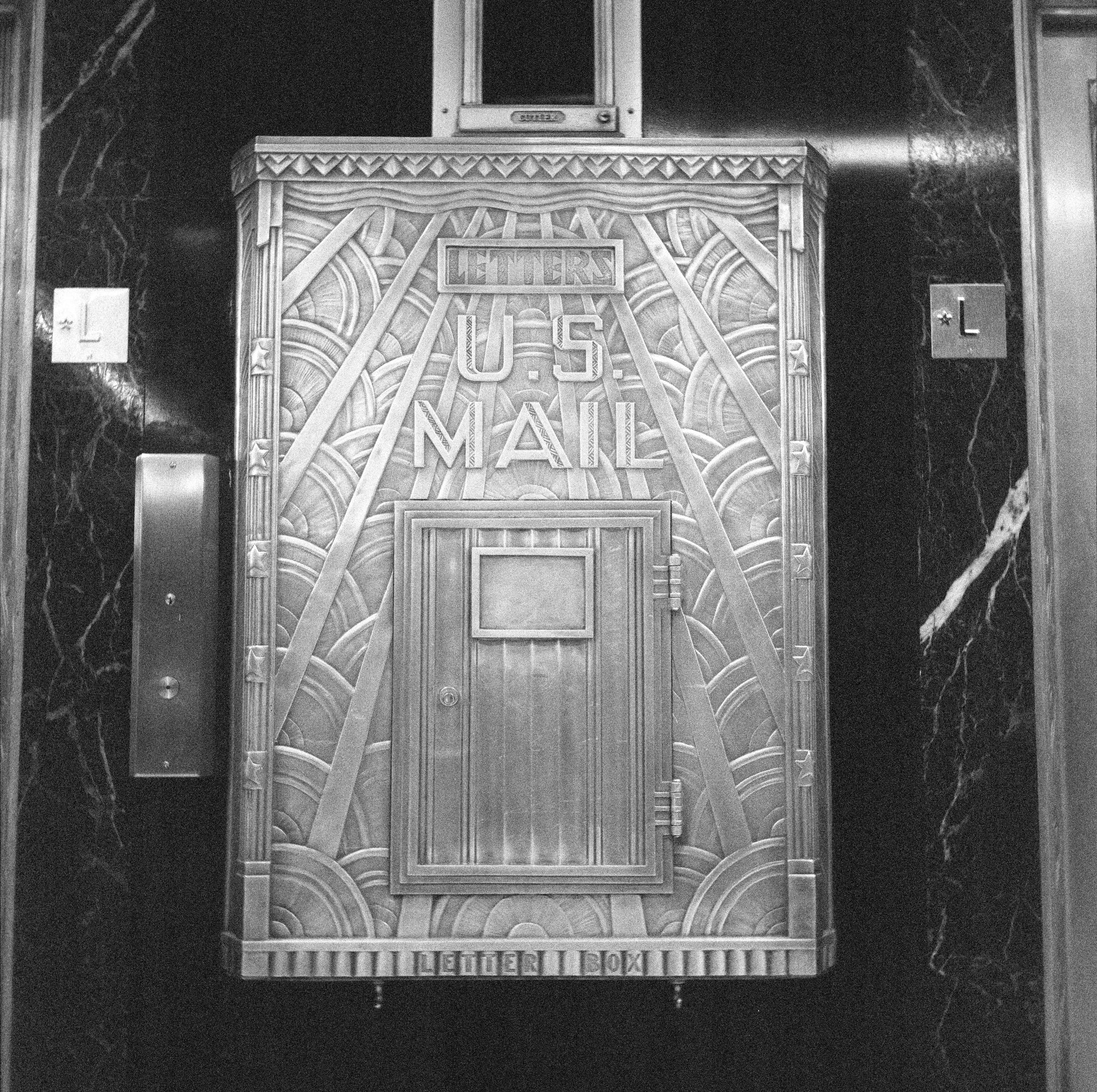
Art Deco U.S. Mail letter box in the marble lobby of 116 John Street
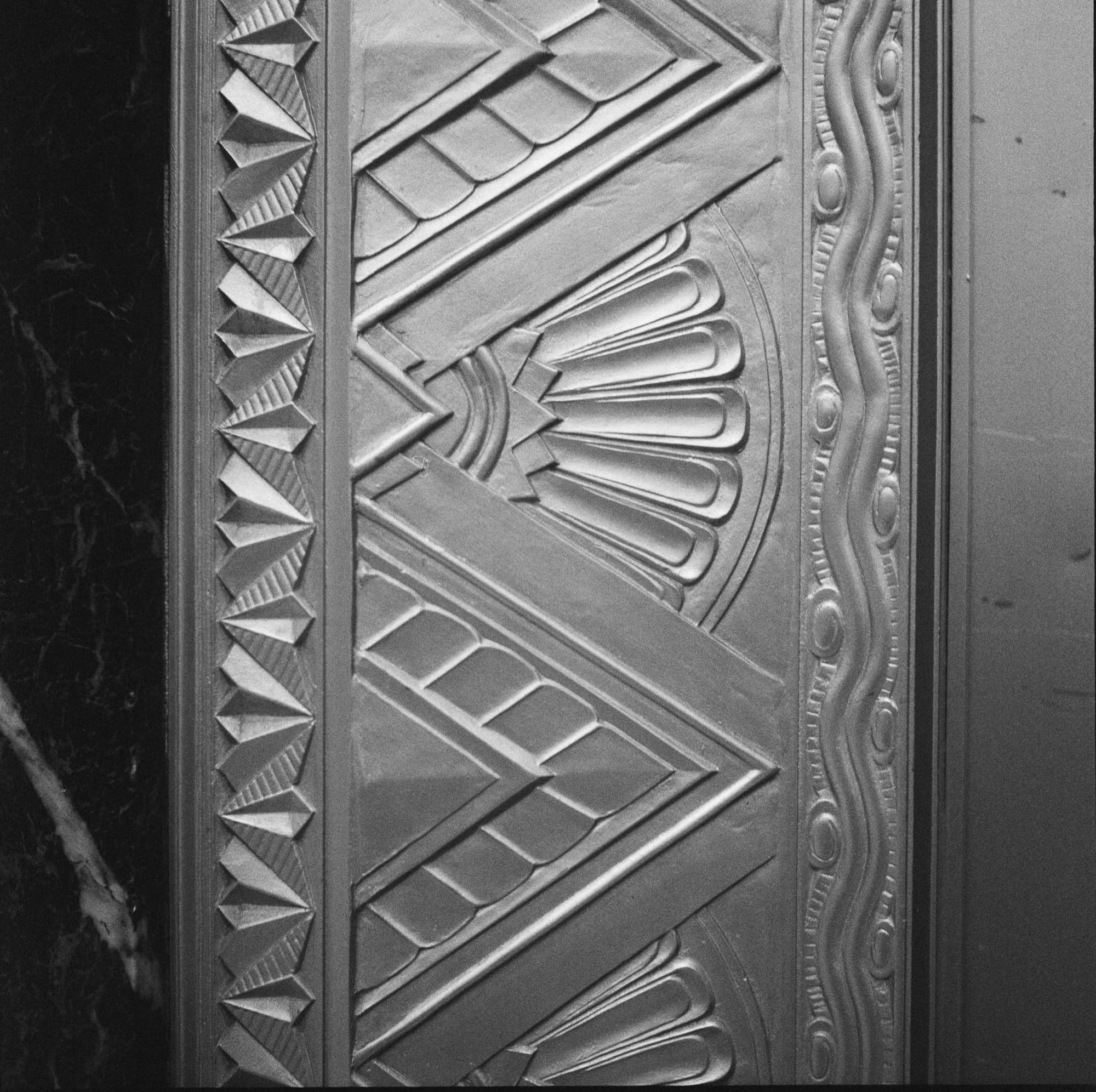
Close-up of Art Deco cast-metal sunburst and chevron ornament at 116 John Street

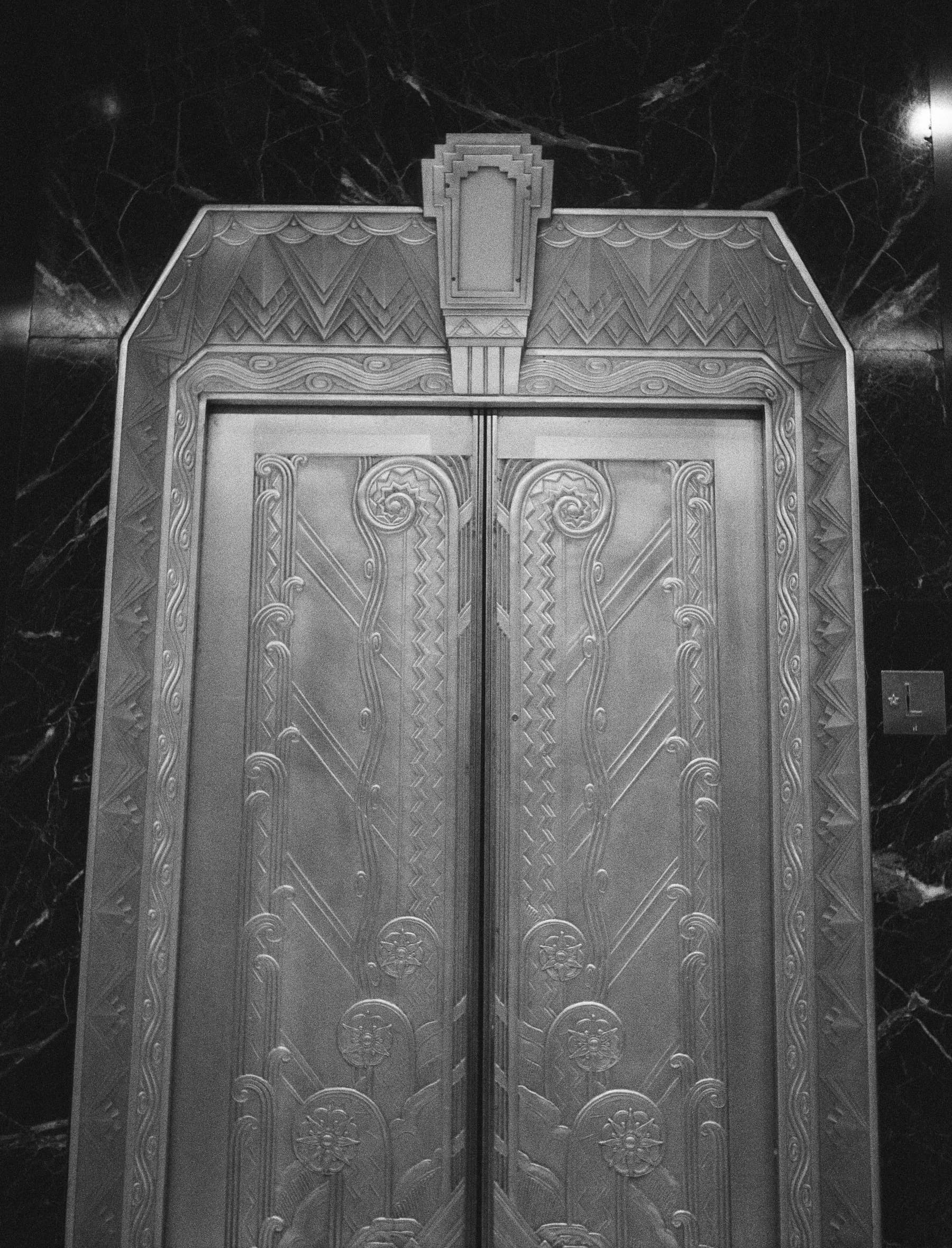
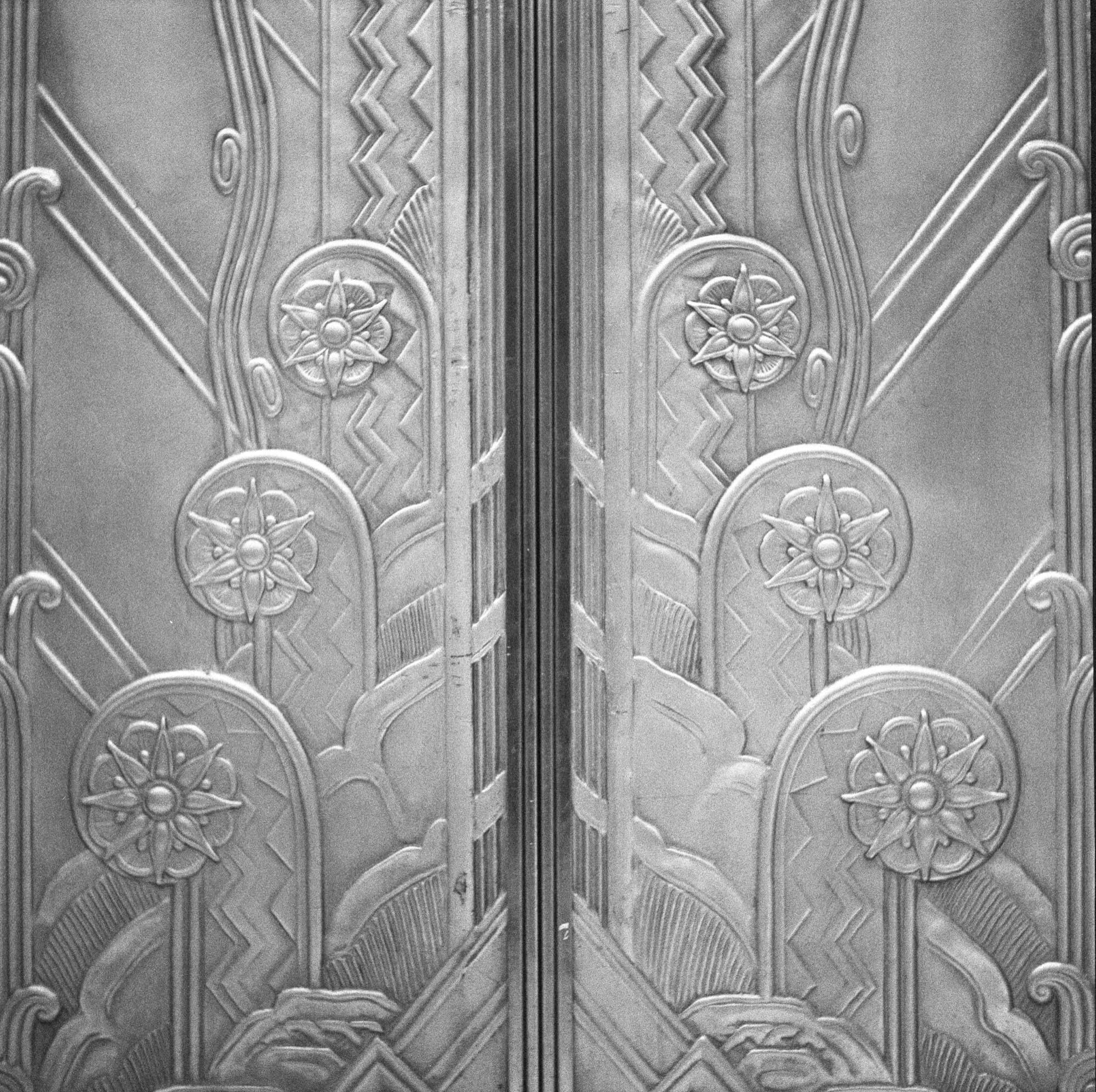
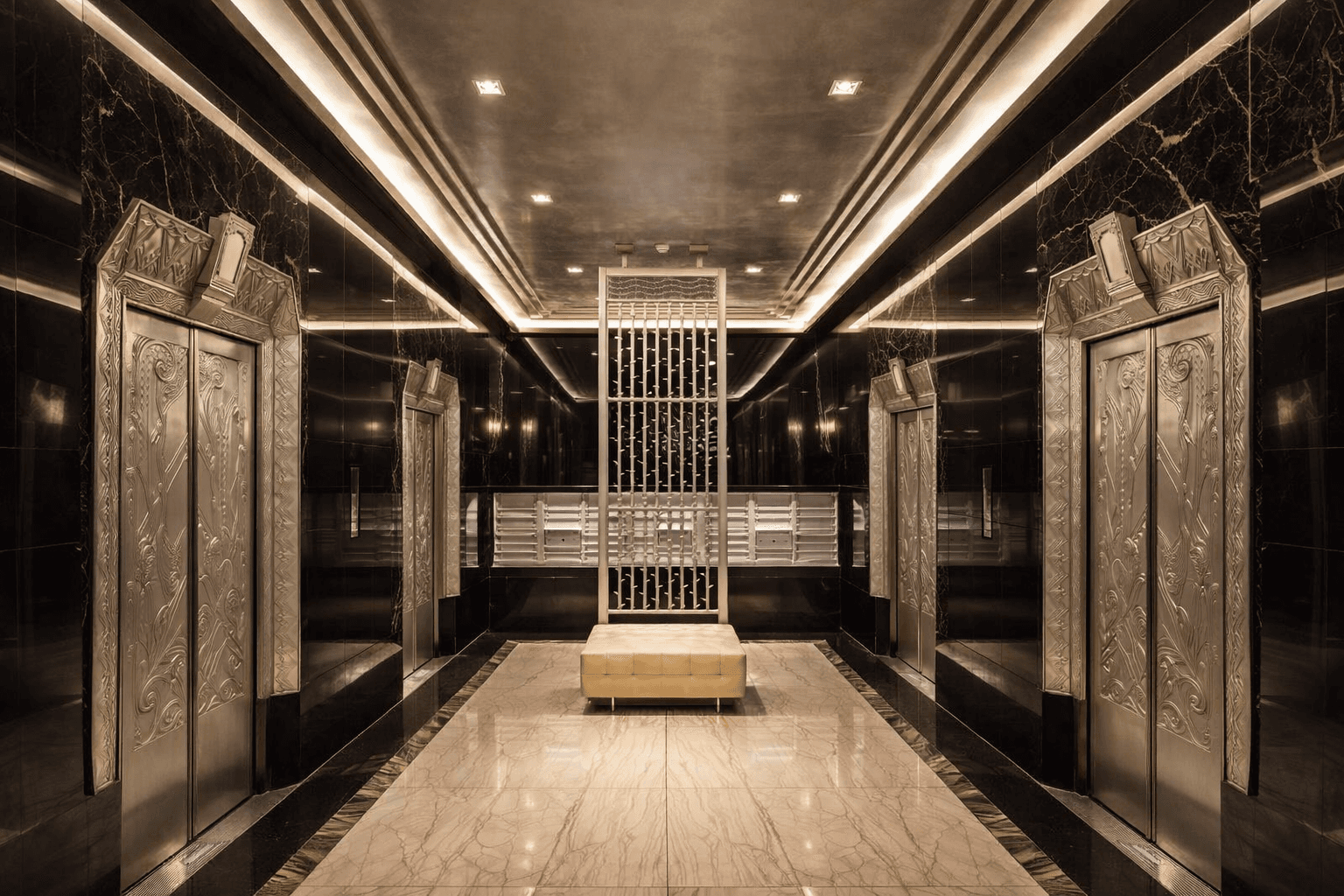
The lobby is one of the building's best preserved Art Deco spaces: black marble clad walls and floors, intricate Art Deco elevators and period mailbox, and geometric ornamentation on the ceiling of the covered arcade walkway leading in from the street.

Art Deco elevator doors in black marble at 116 John Street
Close-up of floral and chevron relief on the Art Deco elevator doors at 116 John Street

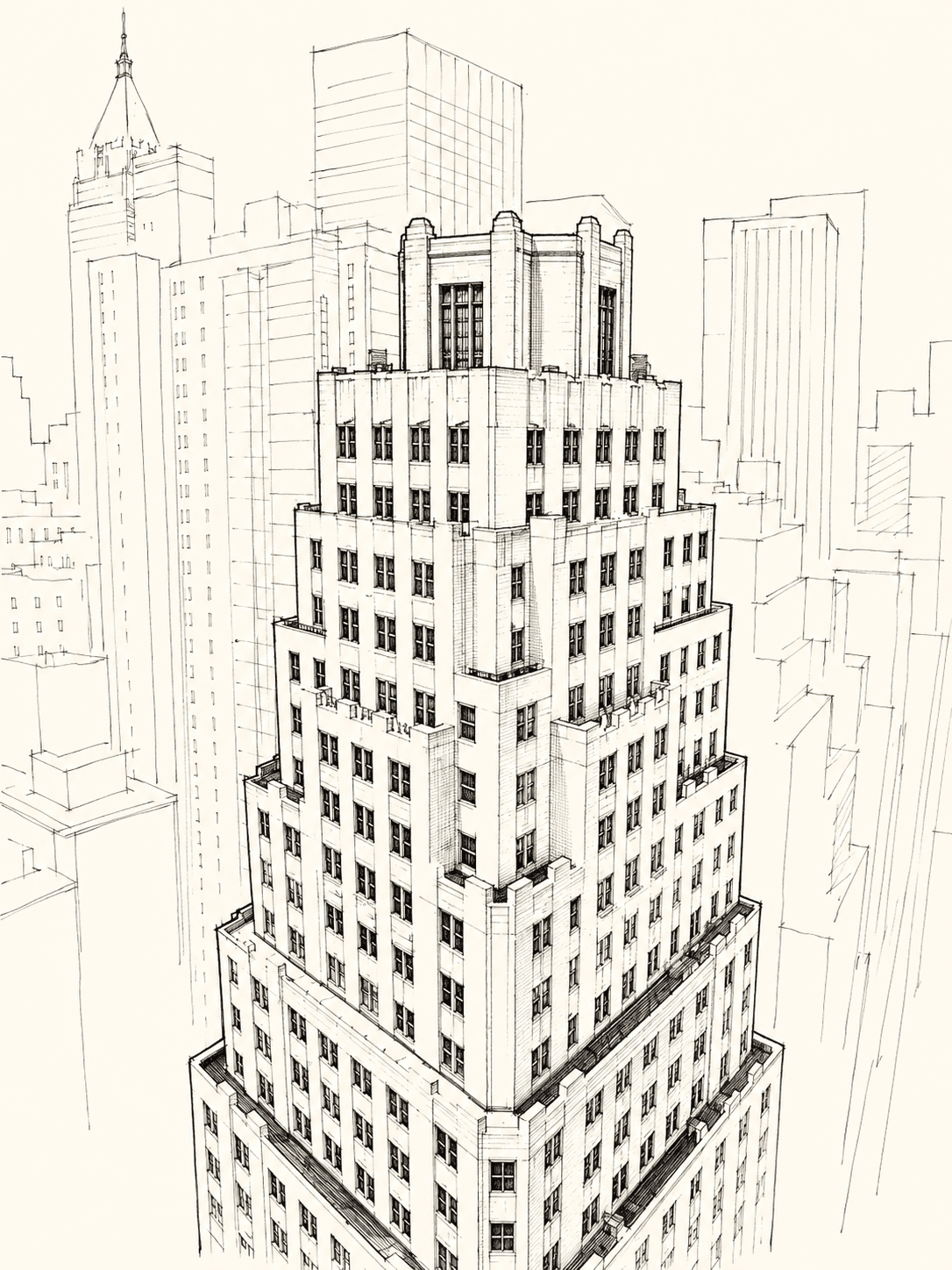
The building's stepped profile, a three story base, a 19 story shaft, and a 12 story crown that recedes in setbacks, wasn't purely aesthetic. It was a direct response to New York's 1916 zoning law, which required setbacks on tall buildings to let light reach the street.

Ink drawing of 116 John Street's stepped Art Deco profile among surrounding towers

1940s – 1950s

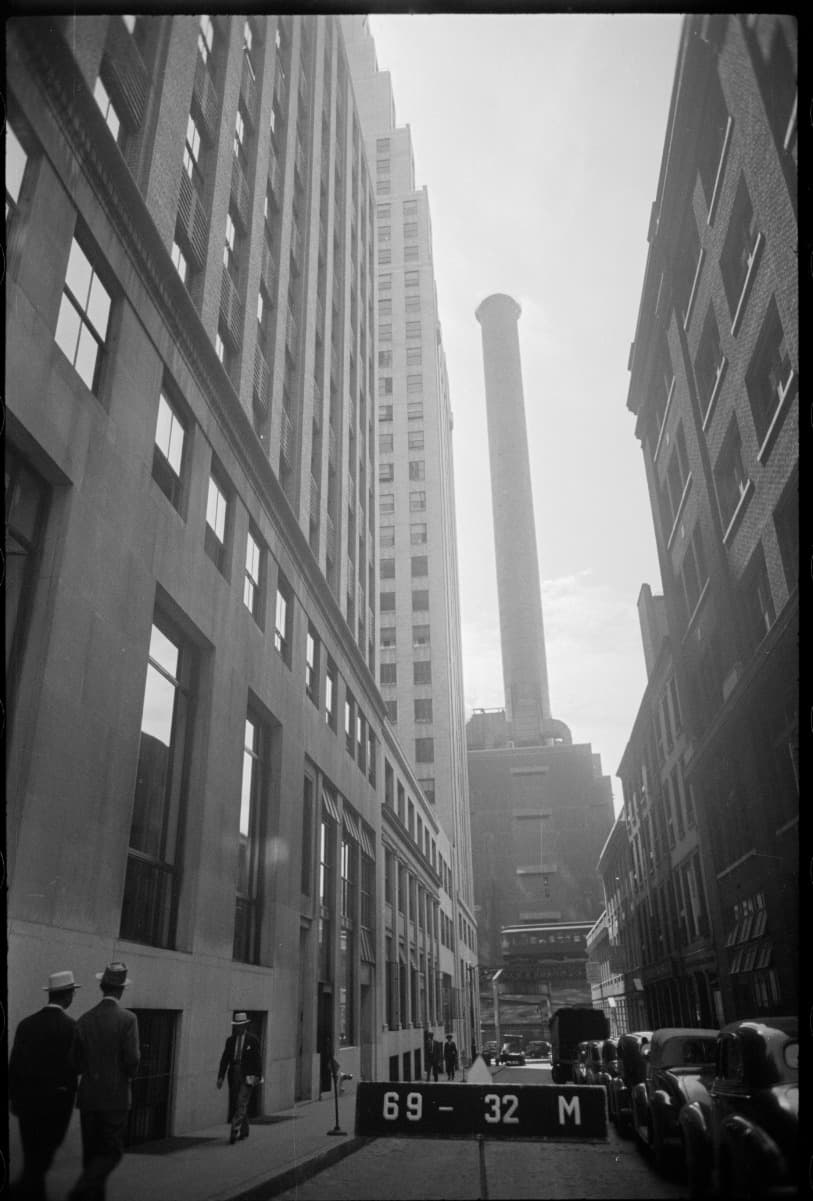
New economic growth in Manhattan increasingly shifted uptown to Midtown, and Lower Manhattan's older office stock, 116 John Street included, started competing against newer, more fashionable towers being built further north.

Lower Manhattan street canyon with a tall smokestack and 1940s cars beside 116 John Street

1970s

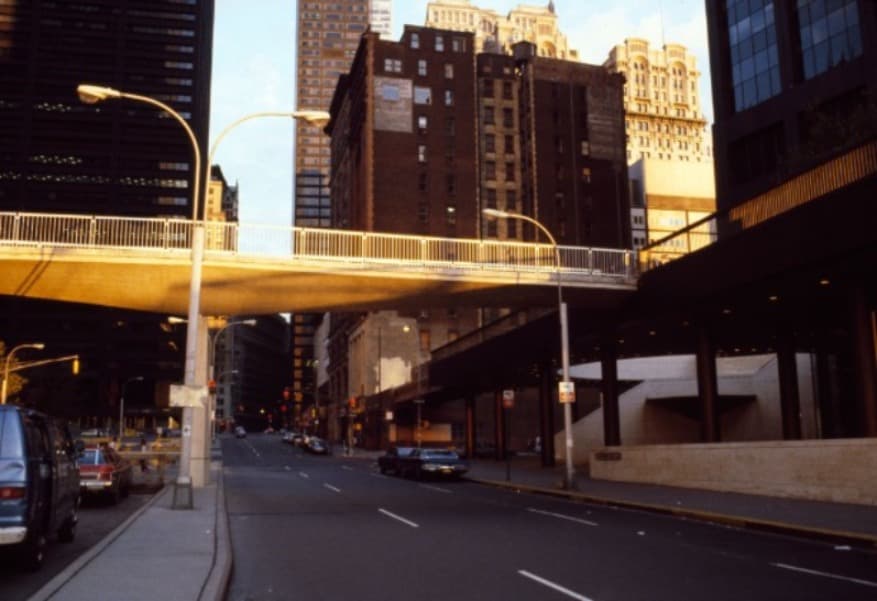
The broader Financial District, including Platt and John Streets, was largely deserted after business hours by this point. White collar workers now commuted in from the suburbs, and containerization had already emptied the nearby East River piers of their old maritime activity, the very activity John Street had been built around centuries earlier.

John Street in the Financial District in the 1970s, with a pedestrian overpass spanning a quiet street at dusk

2011

After decades as office space, the building's interior was rehabilitated and partially converted to apartments: one of dozens of old Financial District office towers along streets like John and Platt that made the same jump from desks to doorbells in roughly the same decade.

Art Deco marble lobby at One Platt Street after the 2011 conversion, with ornamental elevator doors and a central metal screen

Today

Larry Silverstein, the developer best known for holding the lease on the original World Trade Center, bought the building for $248 million, adding this Depression era insurance tower to a portfolio otherwise defined by his more famous Financial District properties. The property continues to be home to both year-round residents and international guests.

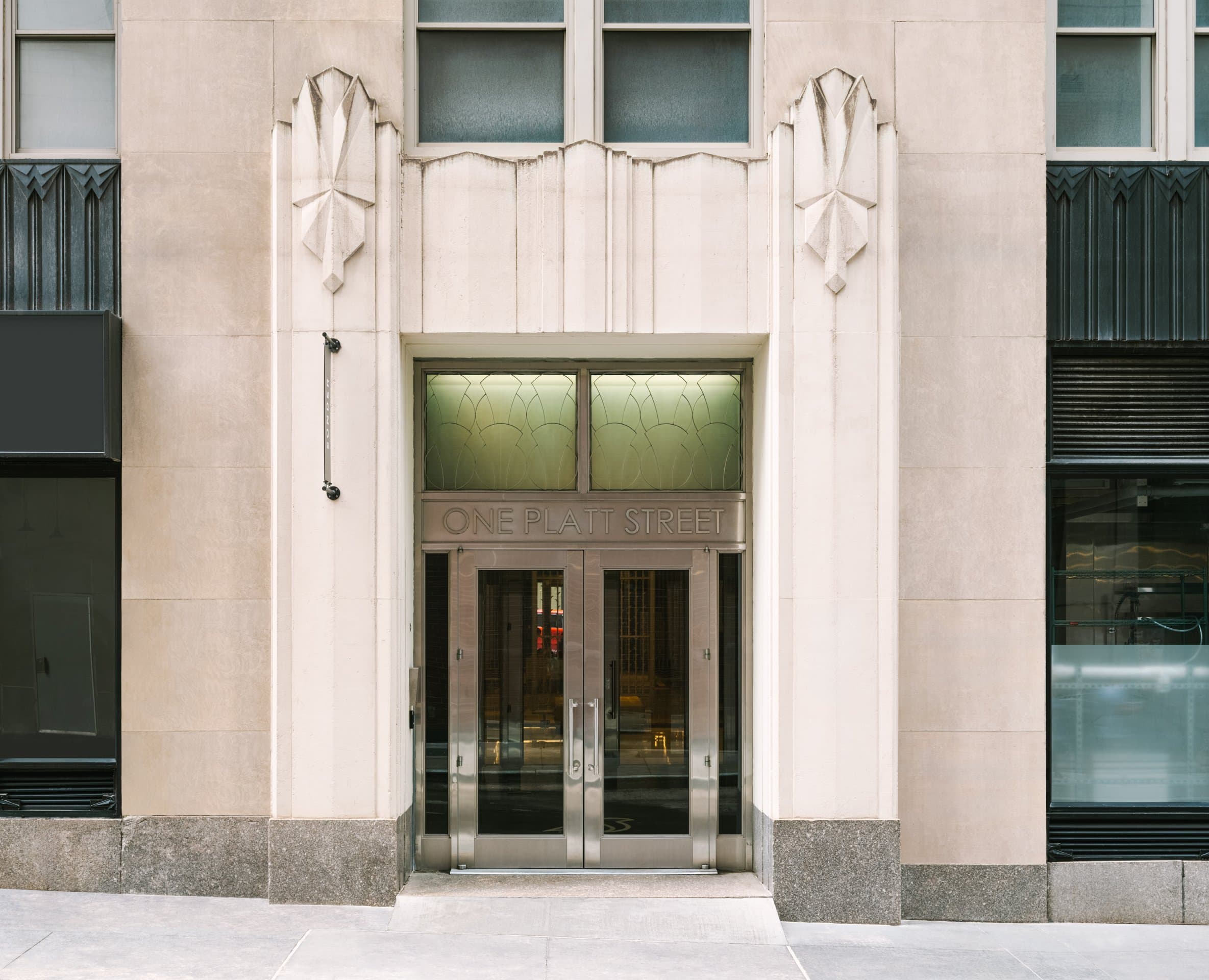
Art Deco limestone entrance of One Platt Street, with metal double doors under a One Platt Street transom