Guaranteed early check-in and exclusive member pricing when you with us.
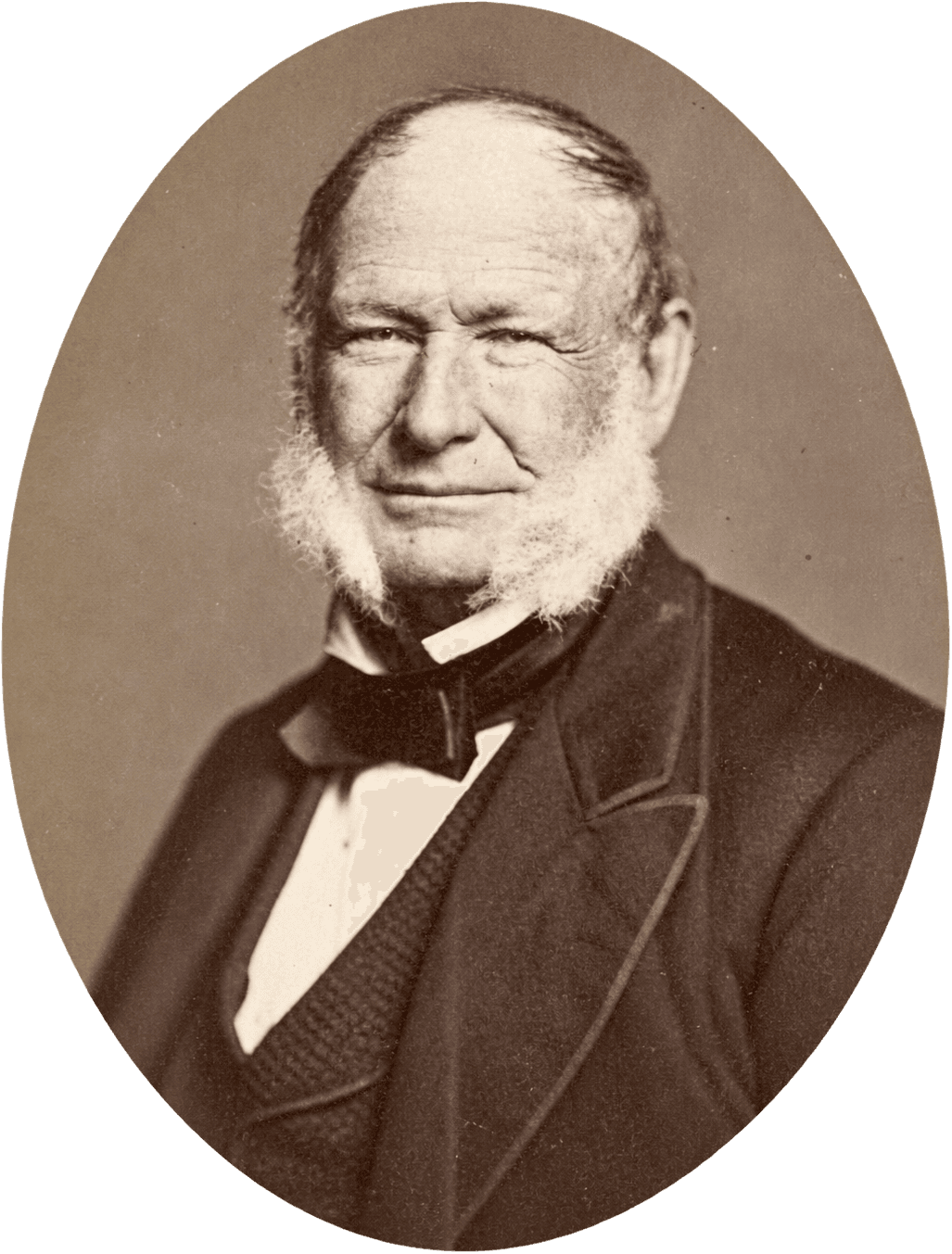
Sepia oval portrait of Harrison Stephens

Harrison Stephens

Owner

1845

American merchant Harrison Stephens, who had made his fortune in bootmaking, pork, and rum, bought the building site at a sheriff's sale. He hired architect George Browne to design a new luxury hotel. Browne, an Irish-born Canadian architect, designed some of Canada's finest buildings of this era.
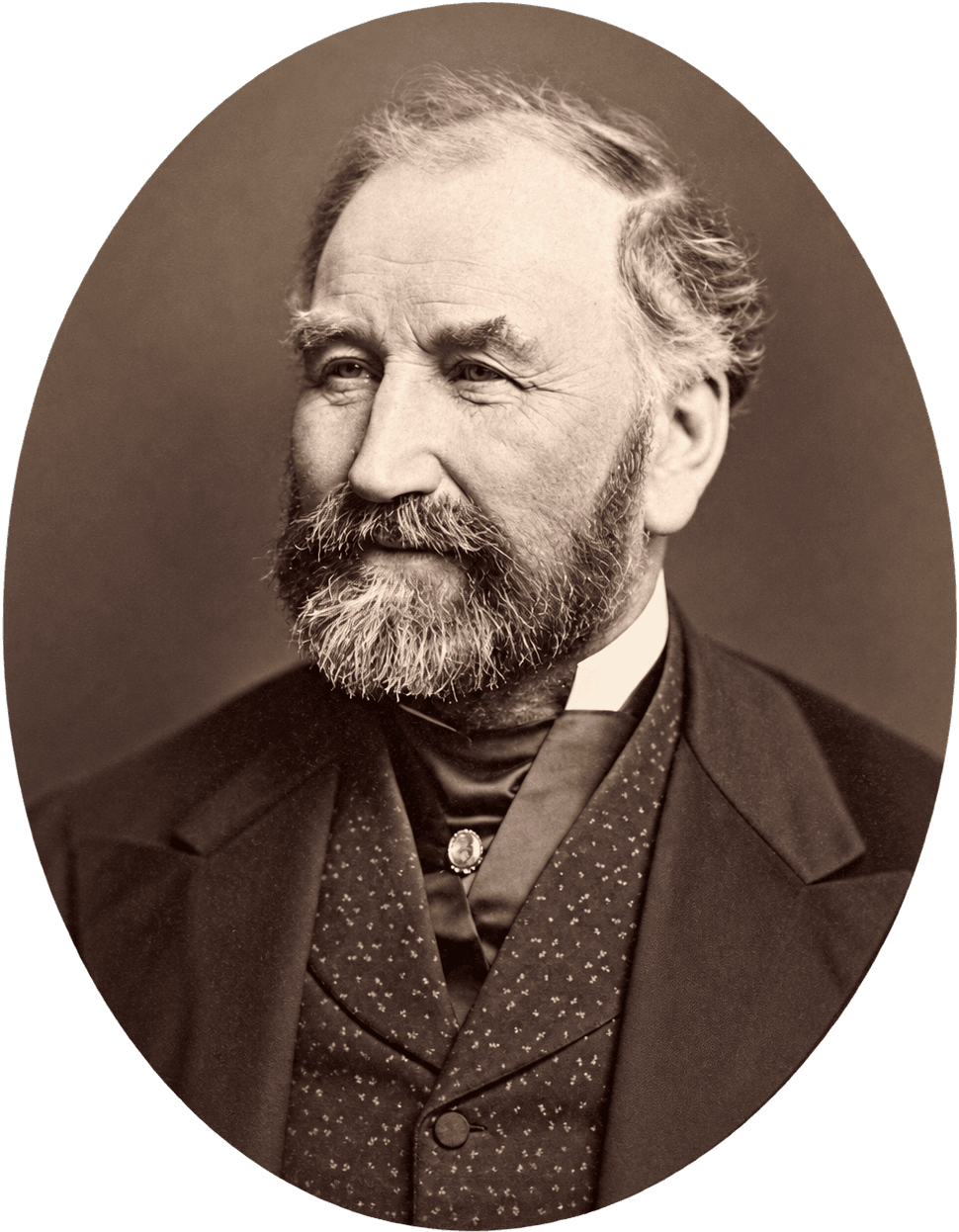
Sepia oval portrait of architect George Browne

George Browne

Architect

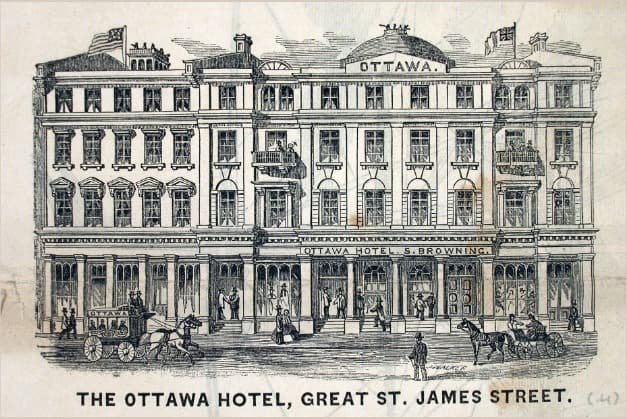
The Ottawa Hotel, Great St. James Street

1846

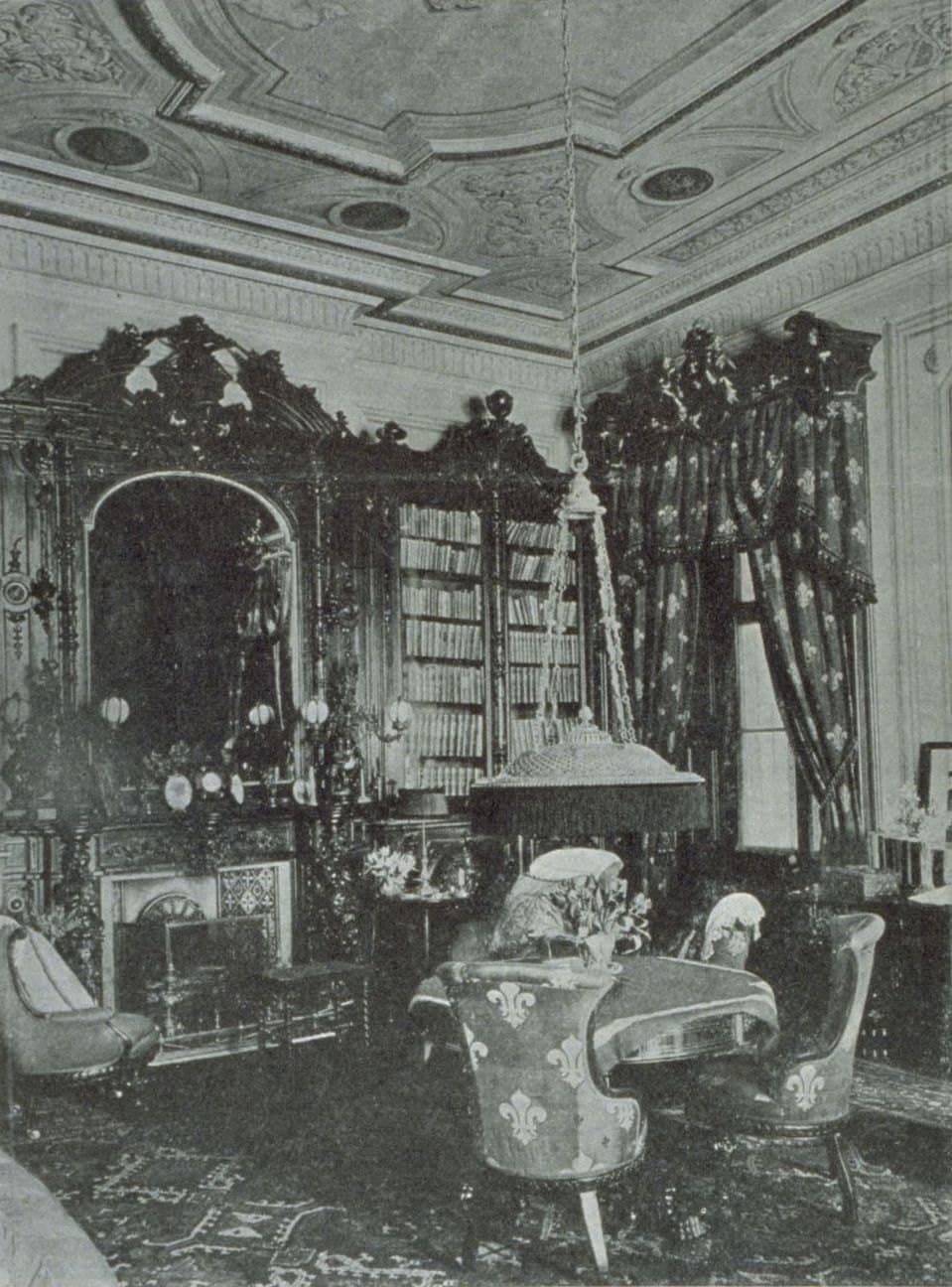
The hotel opened. All the furniture came from John Hilton's workshop, one of the most celebrated furniture makers in the country, whose showrooms occupied six floors just down the same street and whose furniture adorned many Montreal's grandest private houses. The hotel was also known early on for a rare luxury at the time: hot and cold running water baths on every floor.

Ornate 19th-century library interior with carved wood, bookshelves, and Hilton-style furniture

1852

New manager Samuel Browning took over and ran a full page ad boasting of views of Mount Royal from the front windows and, from the south side, the Lachine Rapids with steamers descending them. He'd poached his own hotel manager from two well regarded American houses, the Delavan House in Albany and the Phelps' House in Buffalo, and made a point of noting the wines, liquors, and cigars were 'invariably of the choicest brands.'

Similar John Hilton furniture on display at Ravenscrag, a historic mansion in the Golden Square Mile, Montreal.

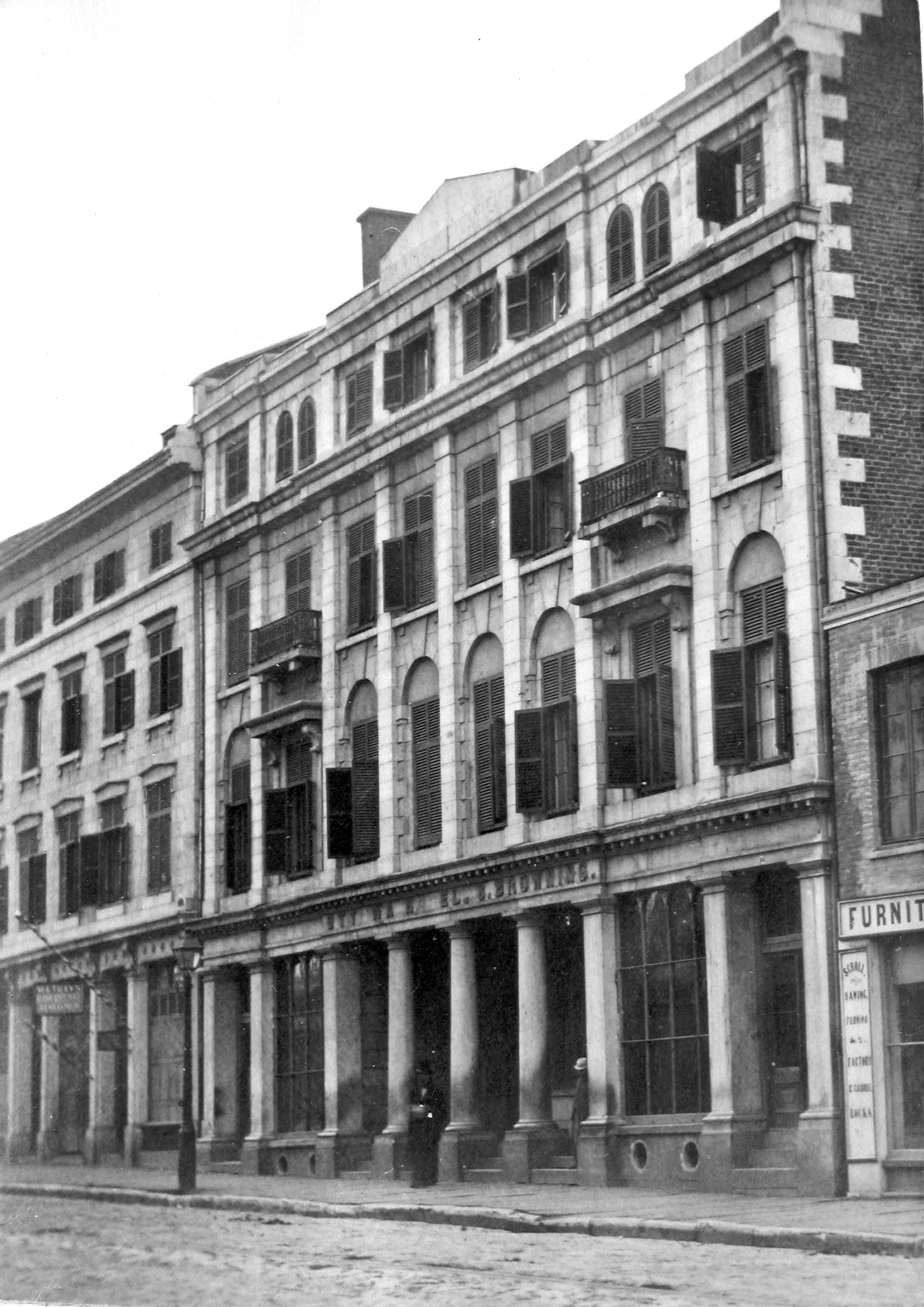
Black-and-white photograph of the Ottawa Hotel colonnade and shuttered windows on Great St. James Street

c. 1855 – 1872

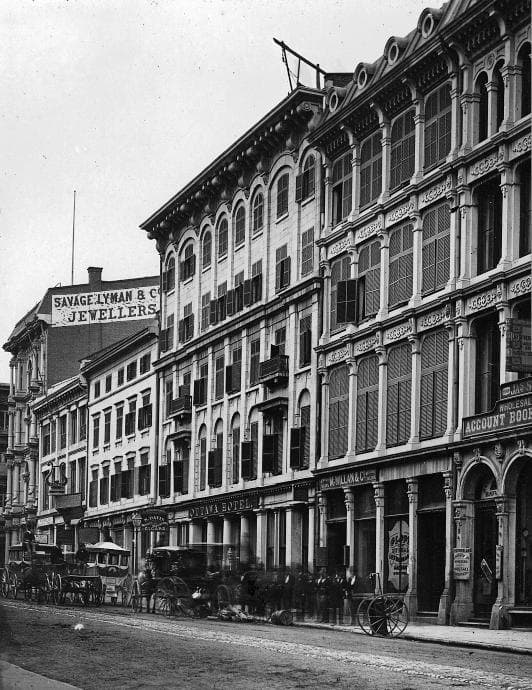
Browning added a 30 room wing at the back, facing what's now Notre Dame Street, as well as a fifth floor with the distinctive arched windows we recognize on the facade today.

Archival street photograph showing the Ottawa Hotel, Savage Lyman jewellers, and horse-drawn carriages

1869

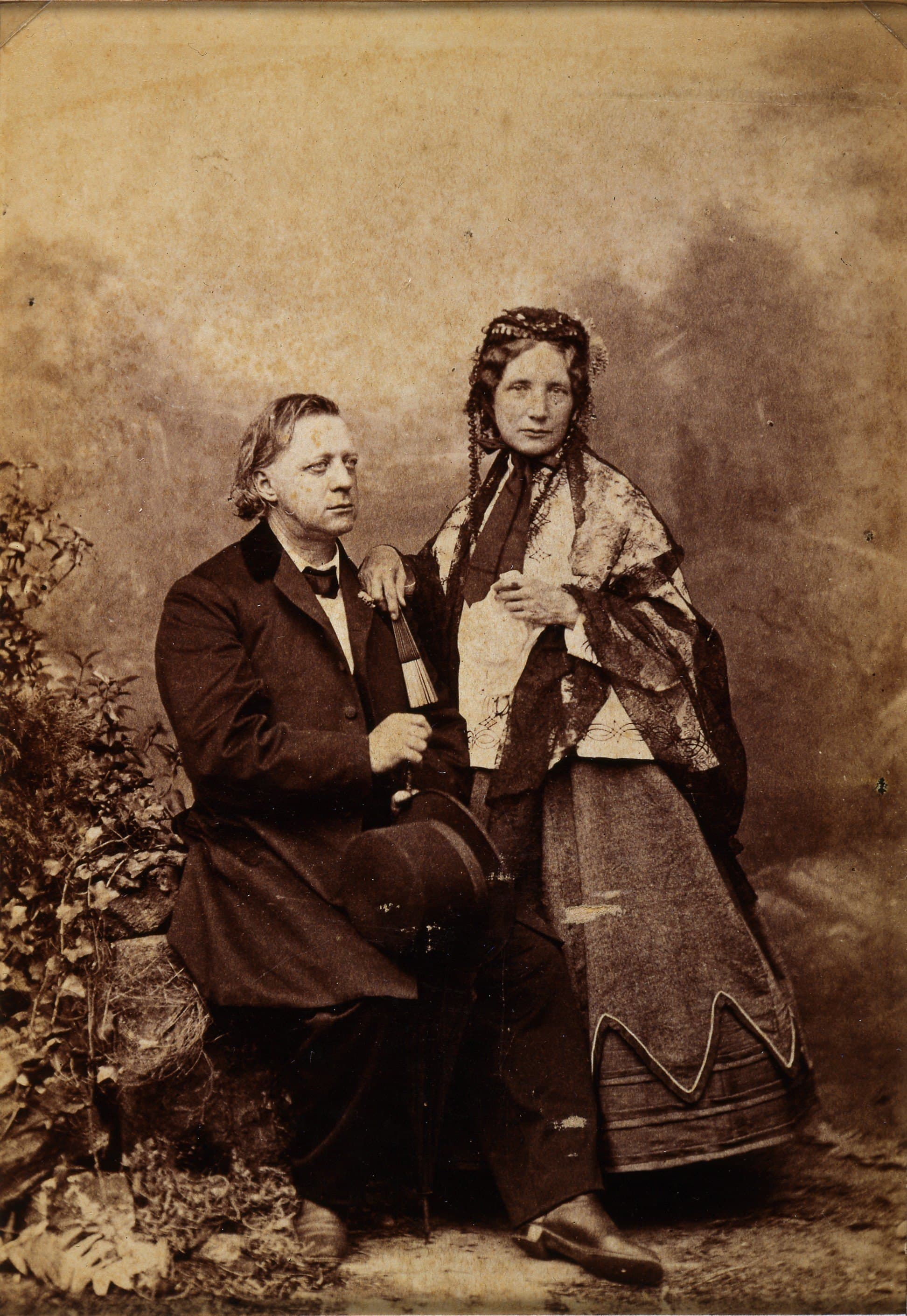
Harriet Beecher Stowe stayed at the Ottawa Hotel during a visit to Montreal and was struck enough by the "finely furnished" interior to mention it in her published travel writing. She and her husband were in Montreal to visit its many churches.

Sepia studio portrait of Harriet Beecher Stowe standing beside her husband, who is seated with a top hat

1876

The hotel resorted to an old fashioned bit of hustle: it planted an employee aboard an incoming ship to talk up the Ottawa to passengers mid crossing, so they'd head straight there rather than shop around once they docked in Montreal.

Vintage engraving of a steamship with two masts and a trailing plume of smoke
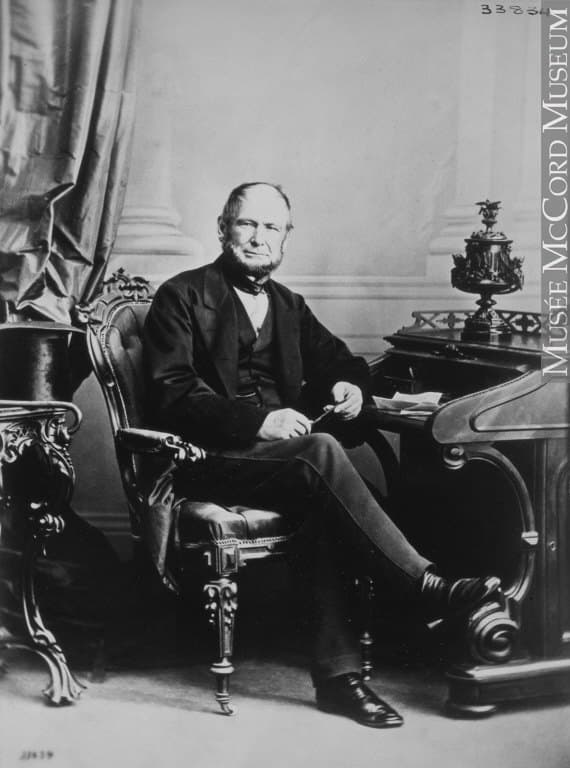
Harrison Stephens seated at a carved desk in an oval portrait

1881

The hotel closed for good, the same year founder Harrison Stephens died. The ground floor became shops and restaurants, with offices upstairs. It became Euard & MacDonald Hardware.

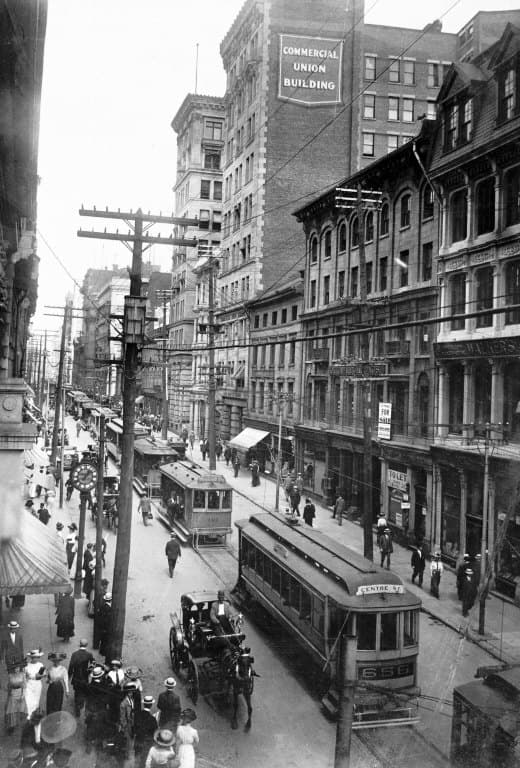
Elevated view of St. James Street with Montreal streetcars, carriages, and the Commercial Union Building

1895 – 1940s

The Ottawa Café operated out of the building for decades, and the second floor was home to the British High Commissioner for several years. During this time, St. James Street was known as the 'Wall Street of Canada.'

Electric streetcars began to run along the street, carrying workers and visitors through Montreal's bustling financial district, a fitting predecessor to today's metro line running beneath the same street.

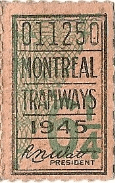
1945 Montreal Tramways ticket numbered 011250
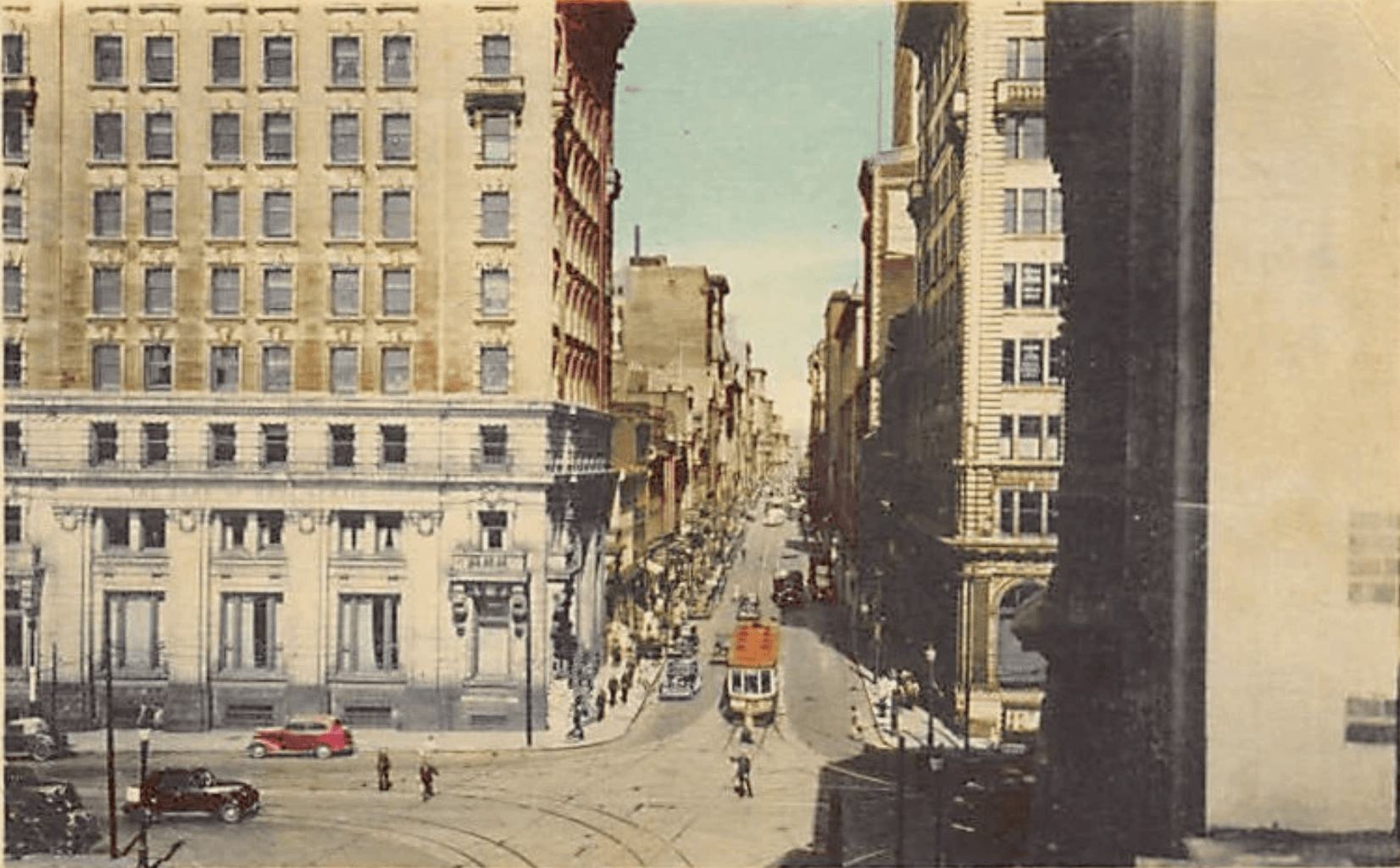
Hand-colored photograph of a street canyon with a vintage streetcar and early automobiles

1945

The Stephens family finally sold the building, ending a century of ownership aside from a brief gap between 1912 and 1916. For decades the other floors acted as offices for various businesses, while the ground floor retail space housed shops, restaurants, and taverns.

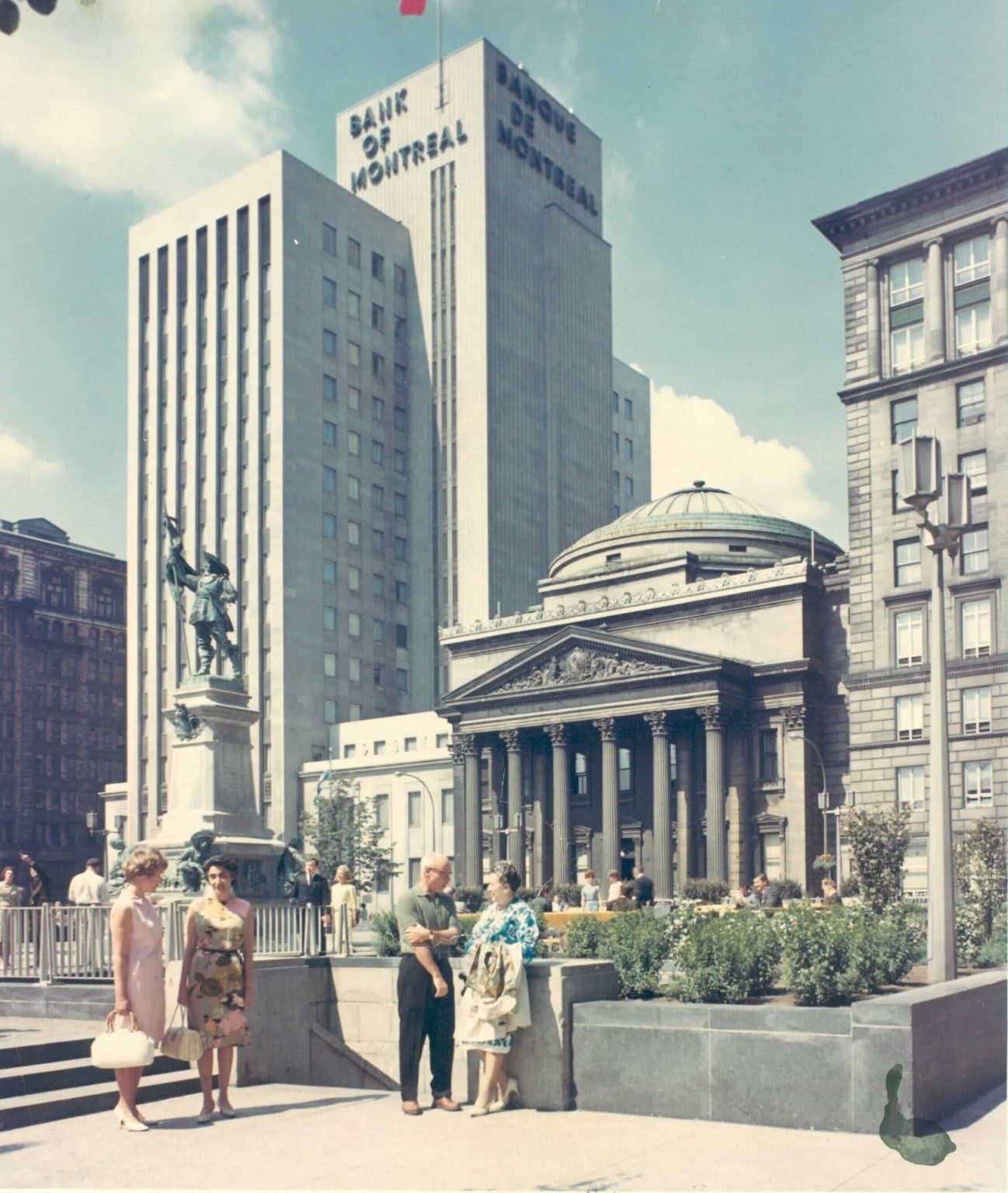
Color photograph of Place d’Armes with the Bank of Montreal tower, dome, and people in 1940s dress

1977

Quebec's Bill 101 made French the province's sole official language, and Montreal's street naming and municipal mapping fell in line. Great St. James Street was formalized exclusively as rue Saint Jacques.

The English name lived on mostly in historical references to the street's 19th and 20th century heyday, when its neoclassical bank buildings, including the old hotel itself, anchored the country's financial center. By the time of the renaming, that role had already faded, with commerce and foot traffic shifting toward Rue Sainte Catherine.

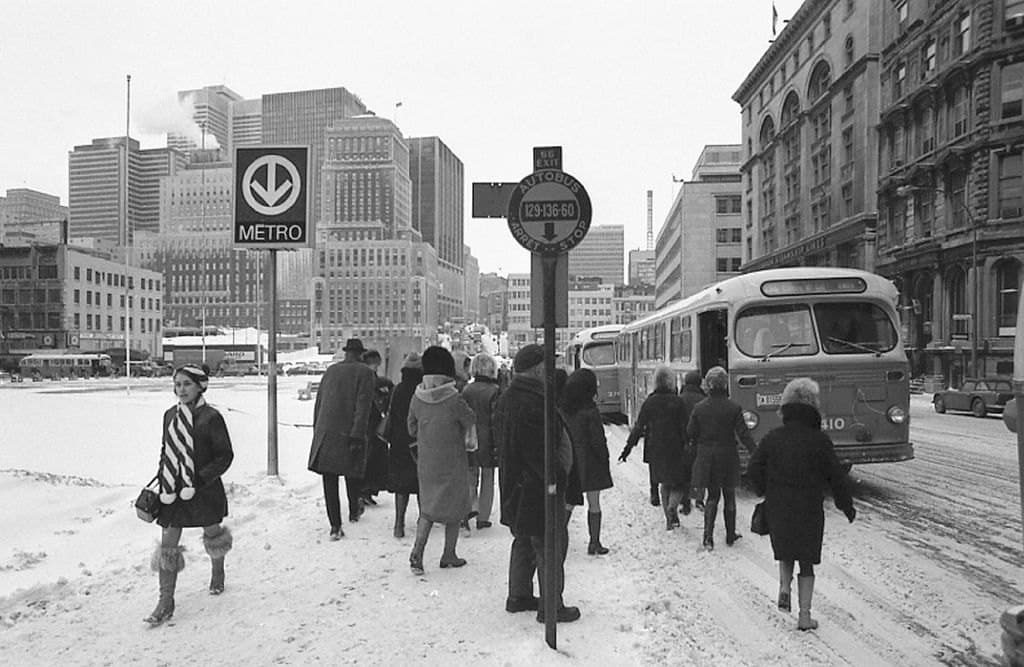
Winter street scene at Square Victoria with a Metro sign, bus, and pedestrians in snow

Today

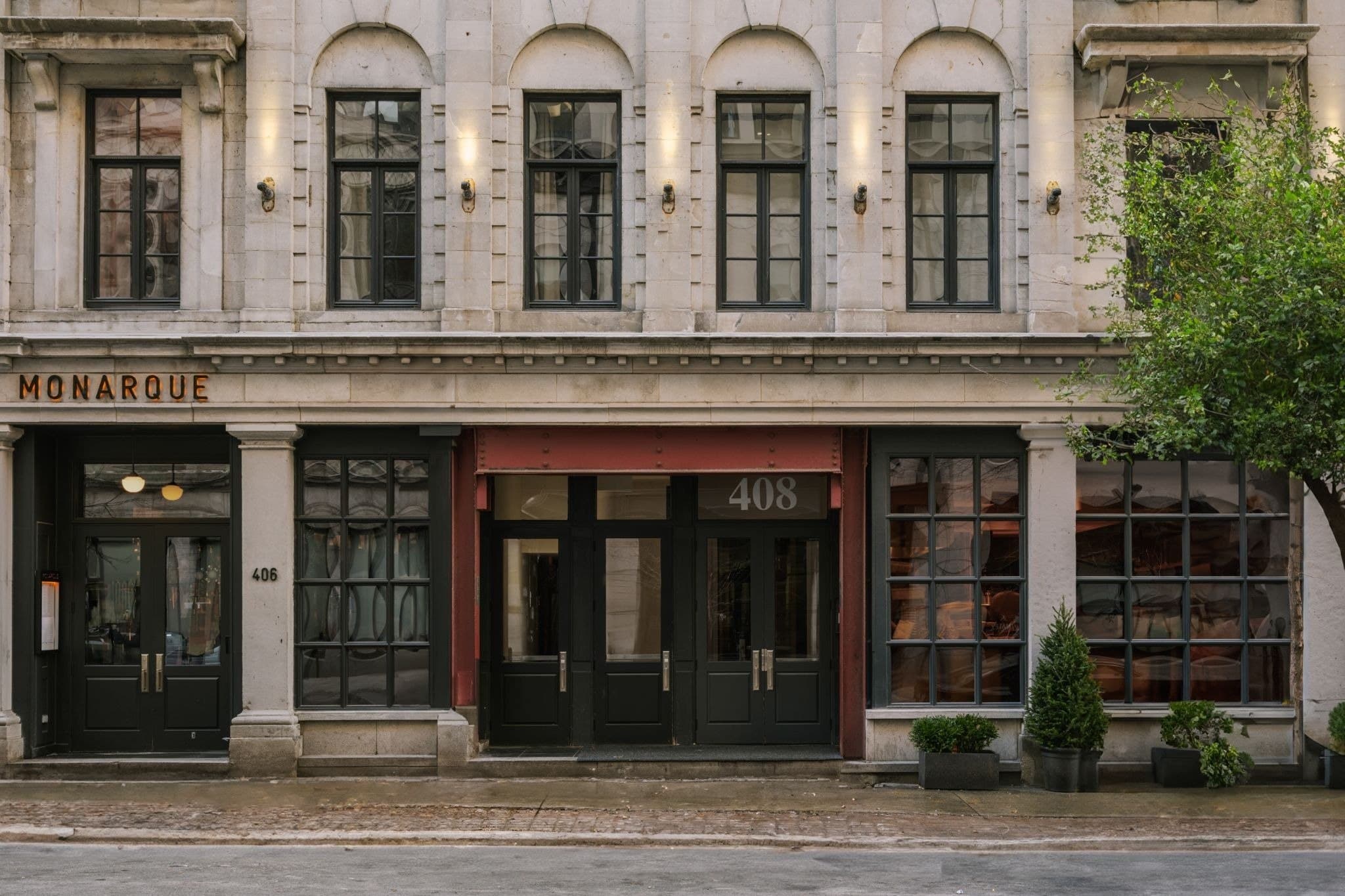
After decades as office space, the building has come full circle: restored to its original hospitality roots as Nester Finn Square Victoria, a boutique aparthotel, with Monarque and Stellina anchoring the ground floor. It's a fitting modern chapter for a building that's welcomed dignitaries and notable visitors since 1846.

Street-level facade of Nester Finn Square Victoria with Monarque and the 408 entrance