1887
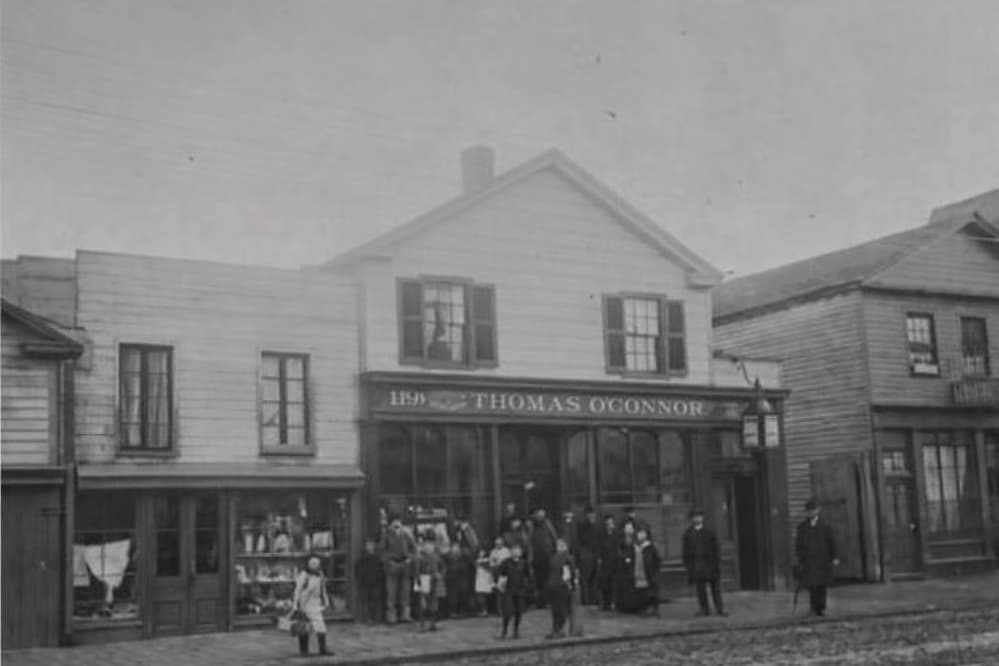
Before the hotel existed, the site on the south side of King Street East, between George and Frederick, was home to Thomas O'Connor's two storey grocery and retail shop for 27 years.


1887
Before the hotel existed, the site on the south side of King Street East, between George and Frederick, was home to Thomas O'Connor's two storey grocery and retail shop for 27 years.
1888
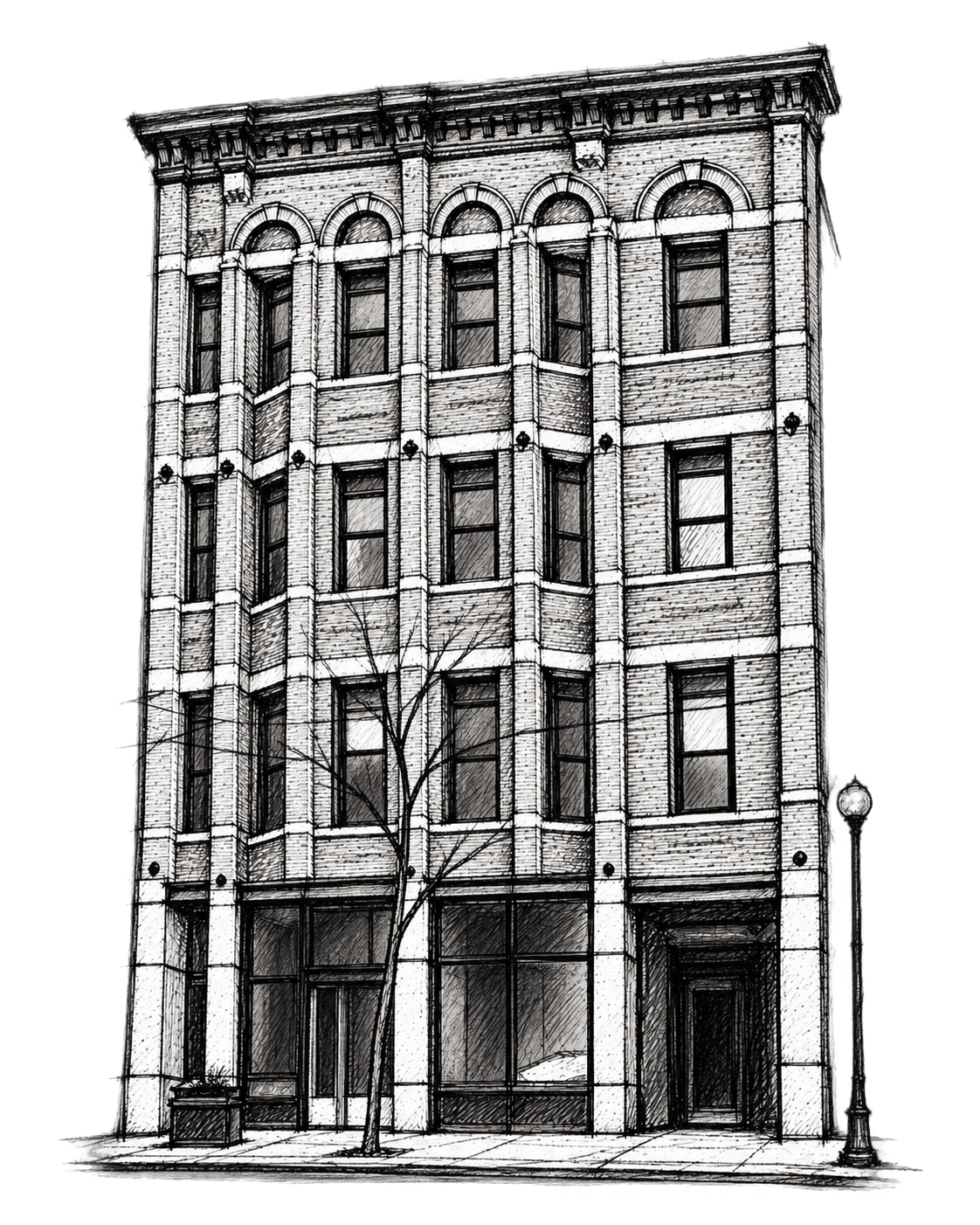
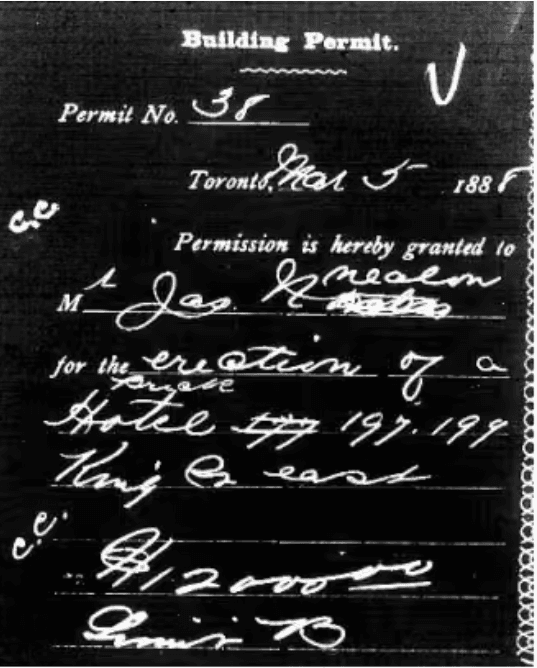
James Nealon commissioned the hotel for a modest $1,200. The four storey Romanesque Revival building went up with a distinctive corner tower, red brick and stone detailing, spacious sitting rooms, 28 guestrooms, and a carriageway cut into the ground floor between its two entrances. At the time, this stretch of King Street East was considered the center of the city.
1889
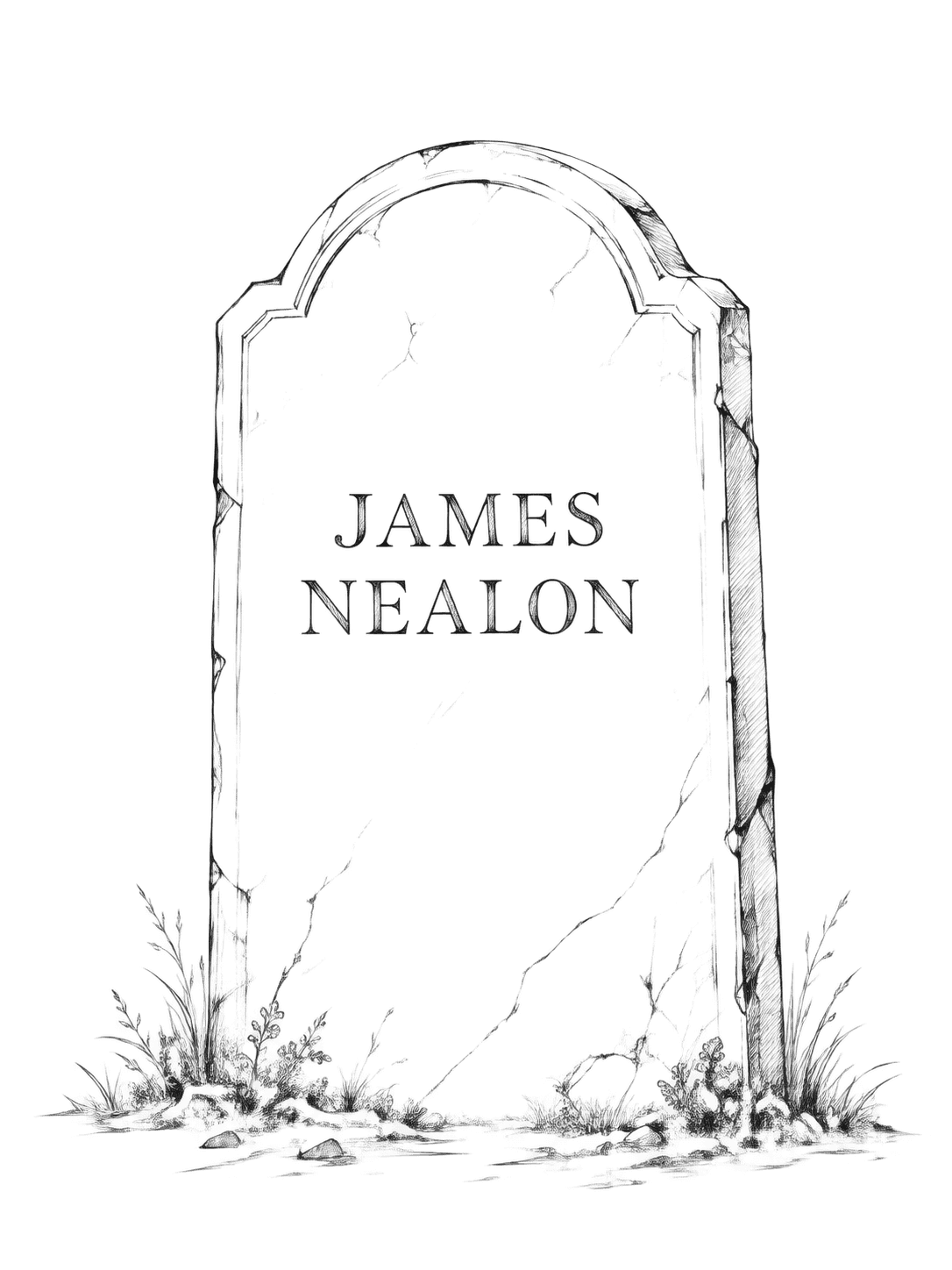
Barely a year after opening, Nealon died suddenly at just 40 years old.
The hotel went up for sale, with a newspaper ad of the day noting reassuringly that "the house is licensed."
1890s – 1920s
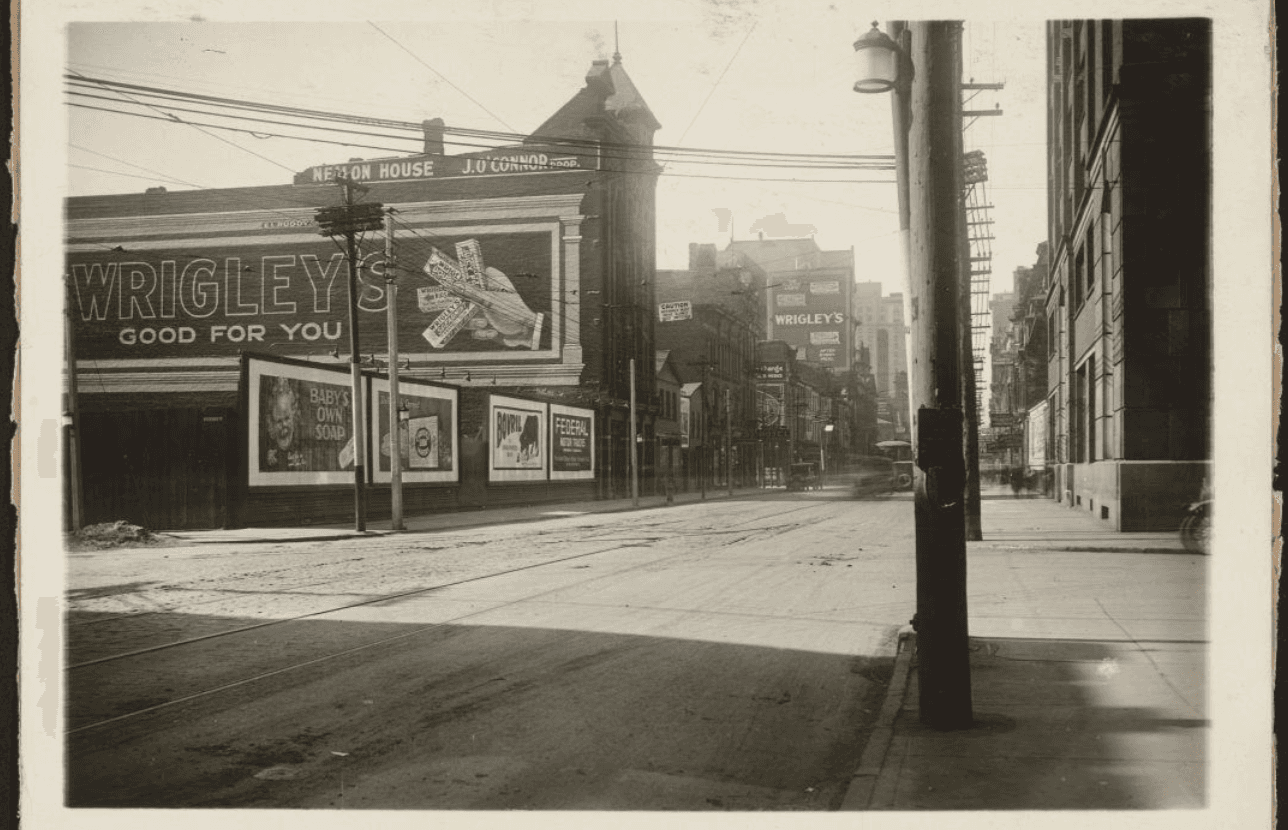
Ownership passed to the Kennedy family (not the Kennedys), and then to the O'Connor family, though everyone kept calling it the Nealon House regardless of who owned it. In 1911, room rates were advertised at $1.50 a day.
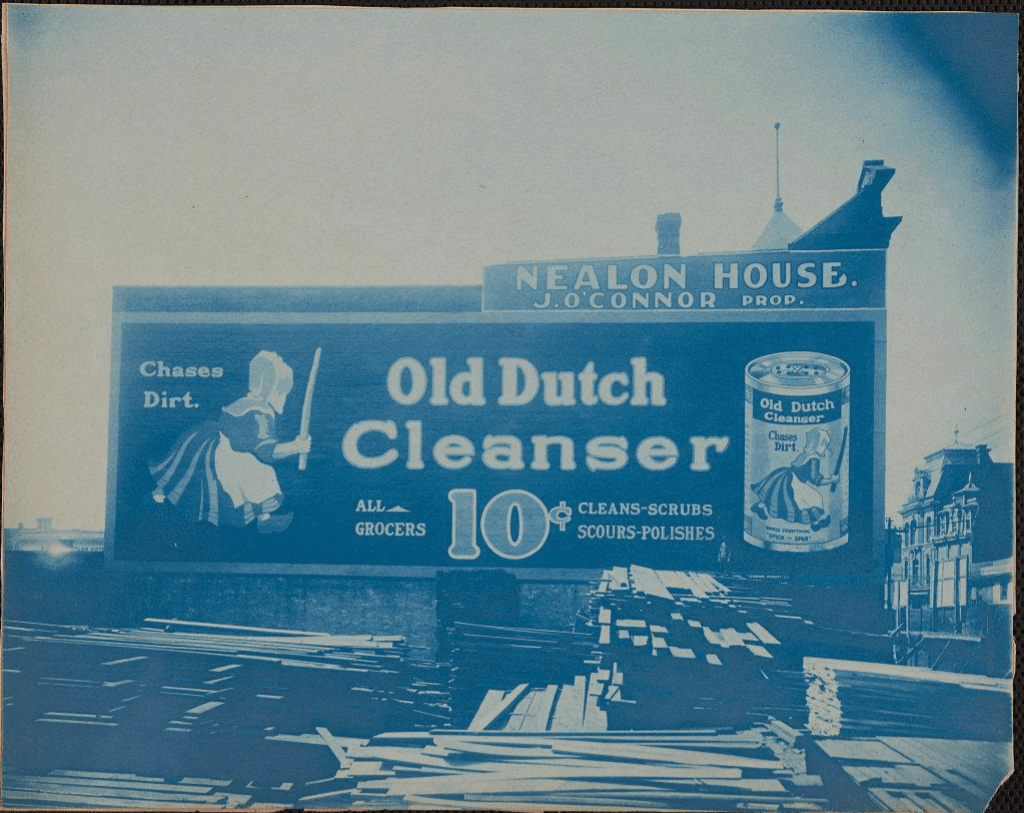
The building's east wall became a billboard, hand painted by Connor-Ruddy (later E.L. Ruddy & Co.), whose artists painted the enormous panels on wood at a yard on Yonge and Church before assembling them on site. Ads.
c. 1925
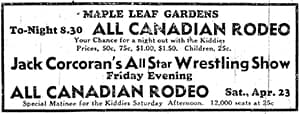
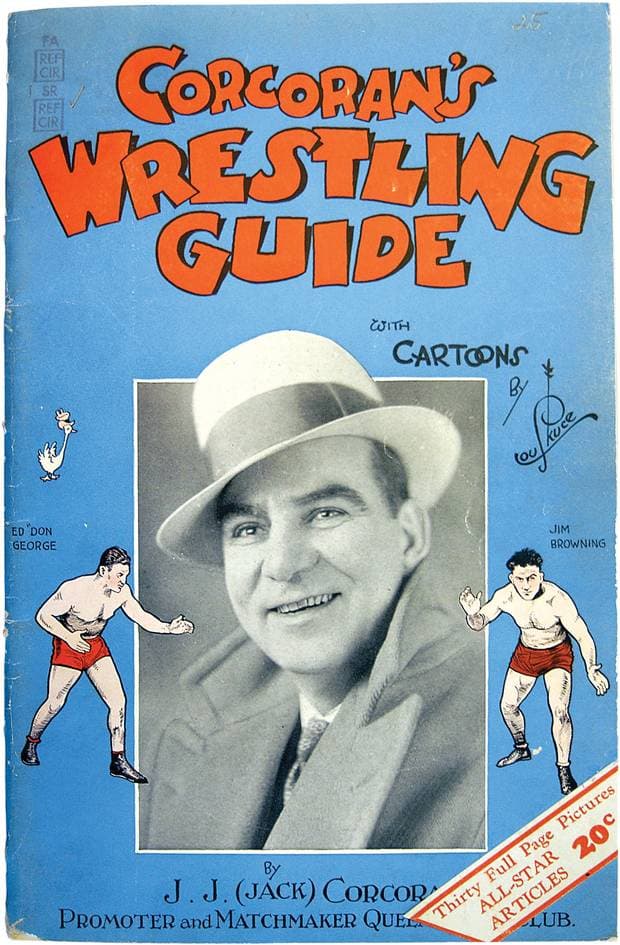
Ownership passed to Jack Corcoran, a wrestling promoter credited with helping introduce modern professional wrestling to North America and a fixture at Maple Leaf Gardens.
1935
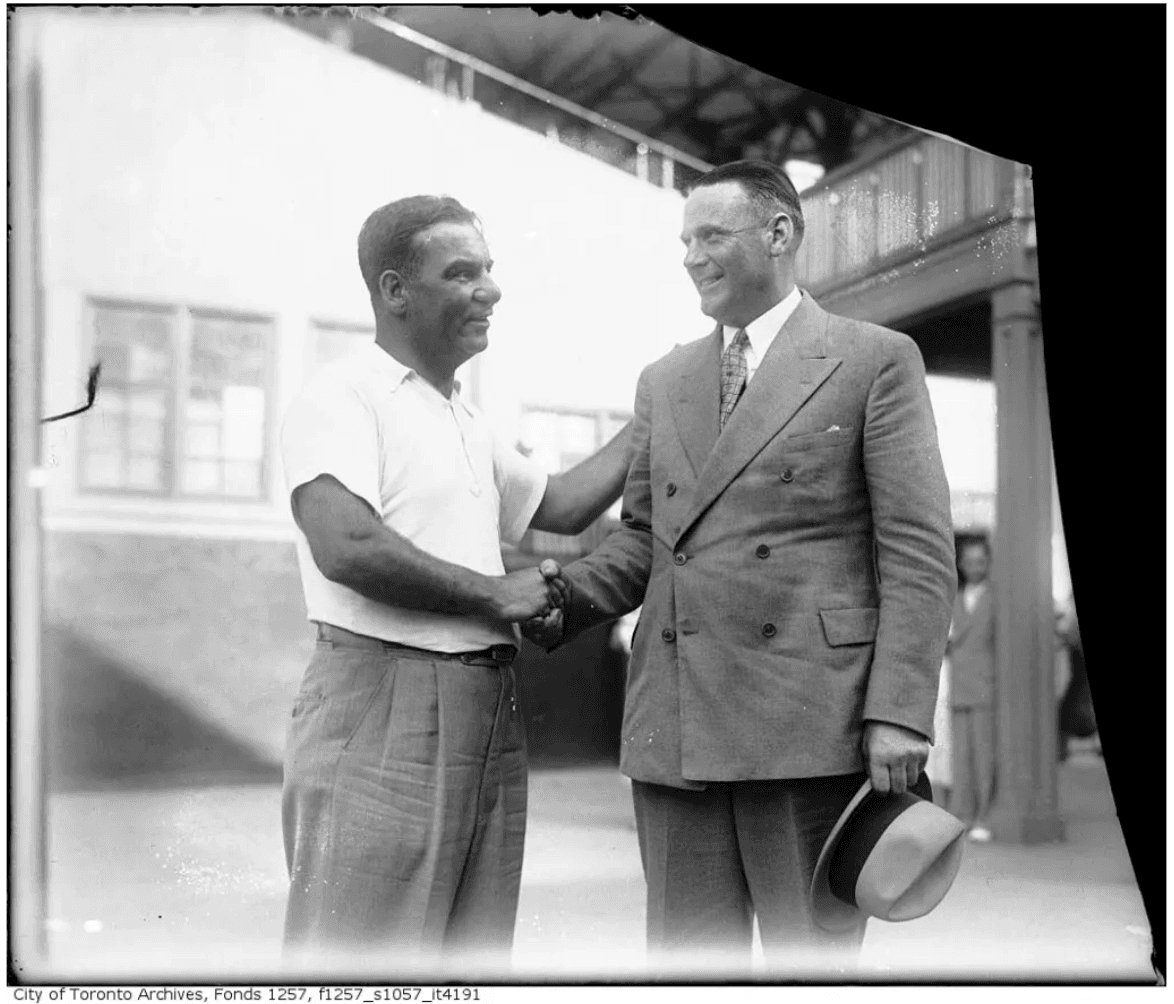
Corcoran hired Norman "Red" Ryan, Canada's most notorious criminal, sometimes called the "Jesse James of Canada," as the Nealon House's evening greeter for $50 a week.
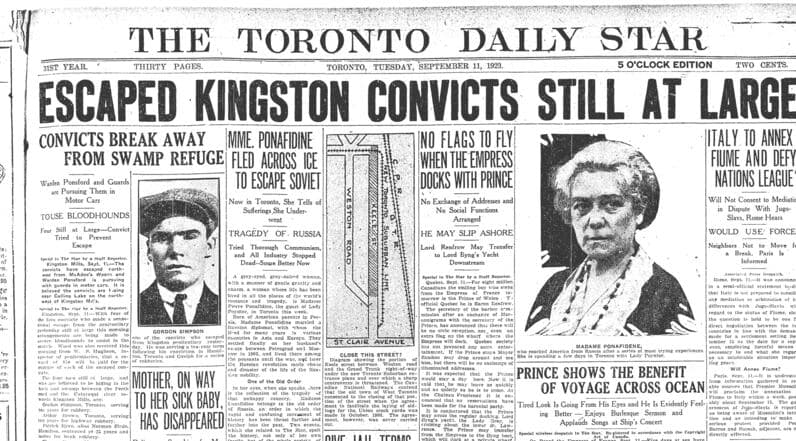
Ryan's infamy actually predated the job by over a decade: after he broke out of Kingston Penitentiary in 1923, a 24 year old cub reporter named Ernest Hemingway, on his first assignment for the Toronto Star, landed the front page story the next day.
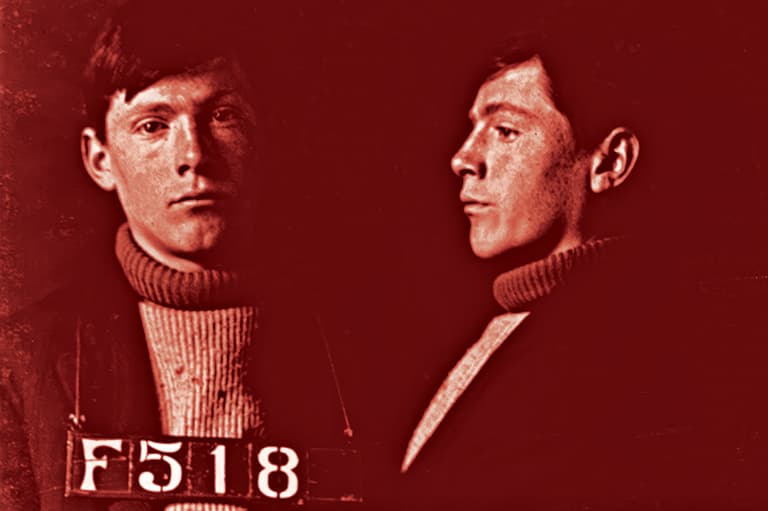
By 1935, freshly paroled after a public campaign backed by Prime Minister R.B. Bennett, Ryan had reinvented himself as a reformed man: newspaper columnist, CFRB radio host, car salesman, and wrestling regular, showing up at Corcoran's matches to fight so often it drew Corcoran to give him the bar job at Nealon House.
1936
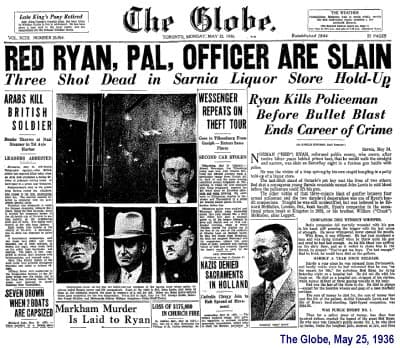
The reformation was an act. In February 1936, Ryan's gang killed a garage owner in Markham, and he brazenly denounced the crime on his own radio show while offering himself to police as an informant, all while still greeting patrons at the Nealon House.
On May 21, he told a radio interviewer he was thinking of "moving out west." Two days later he was shot dead by police during a liquor store robbery in Sarnia that also killed a Toronto constable. "Moving out west" turned out to mean one last job.
1939 – 1971
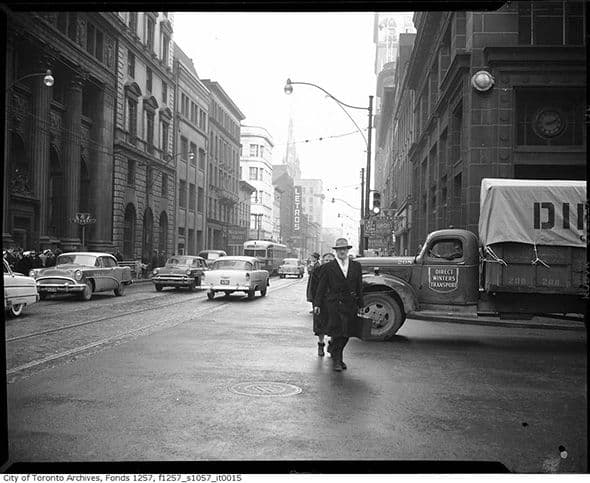
The hotel reopened under new management by George Flett. The building was renamed the Hotel Riviera and ran under that name for decades
1972 – 1988
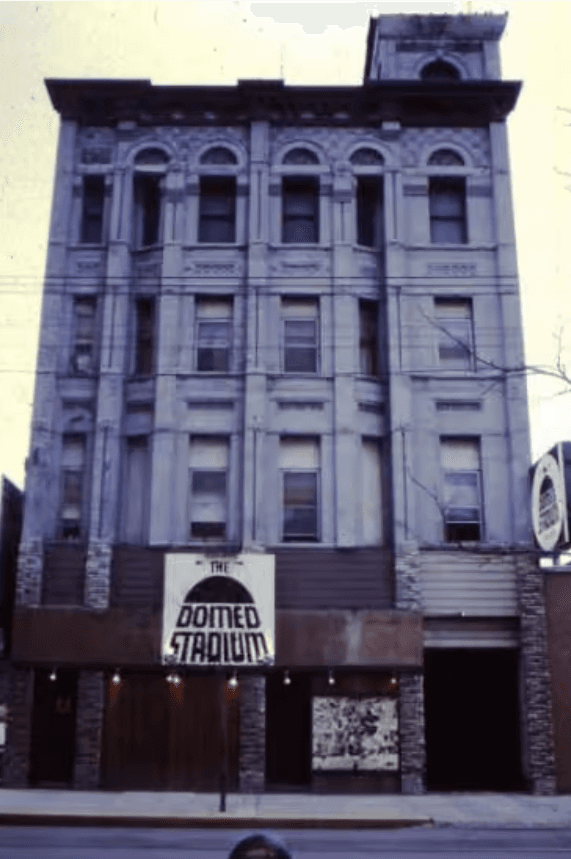
It became The Domed Stadium Hotel, later shortened to The Domed Stadium Tavern
1990 – 2019
The building sat vacant for a stretch. An antique shop called Beethoven Hall took over the ground floor, while the upper floors began to fall into disrepair.

2020 – Today
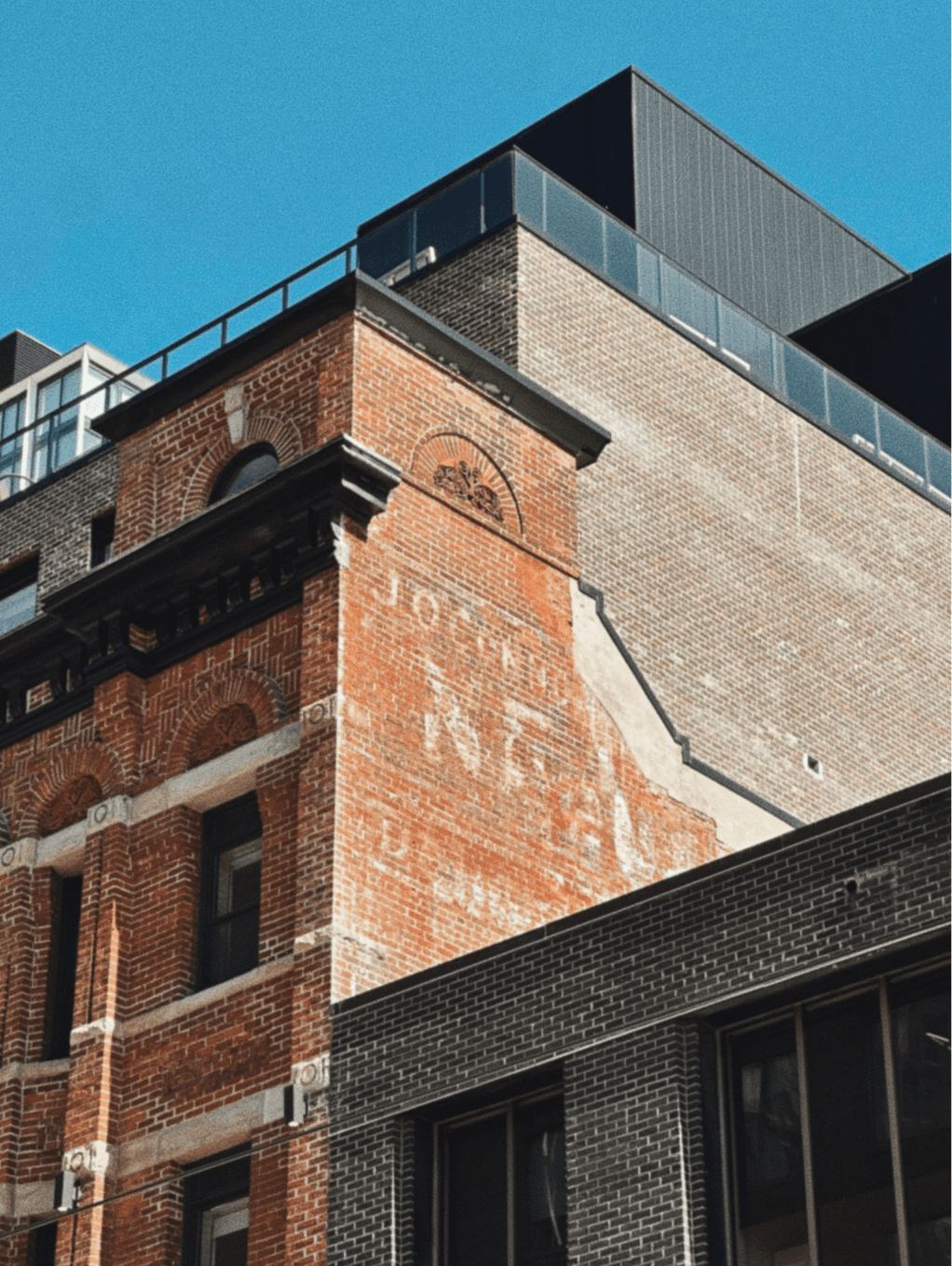
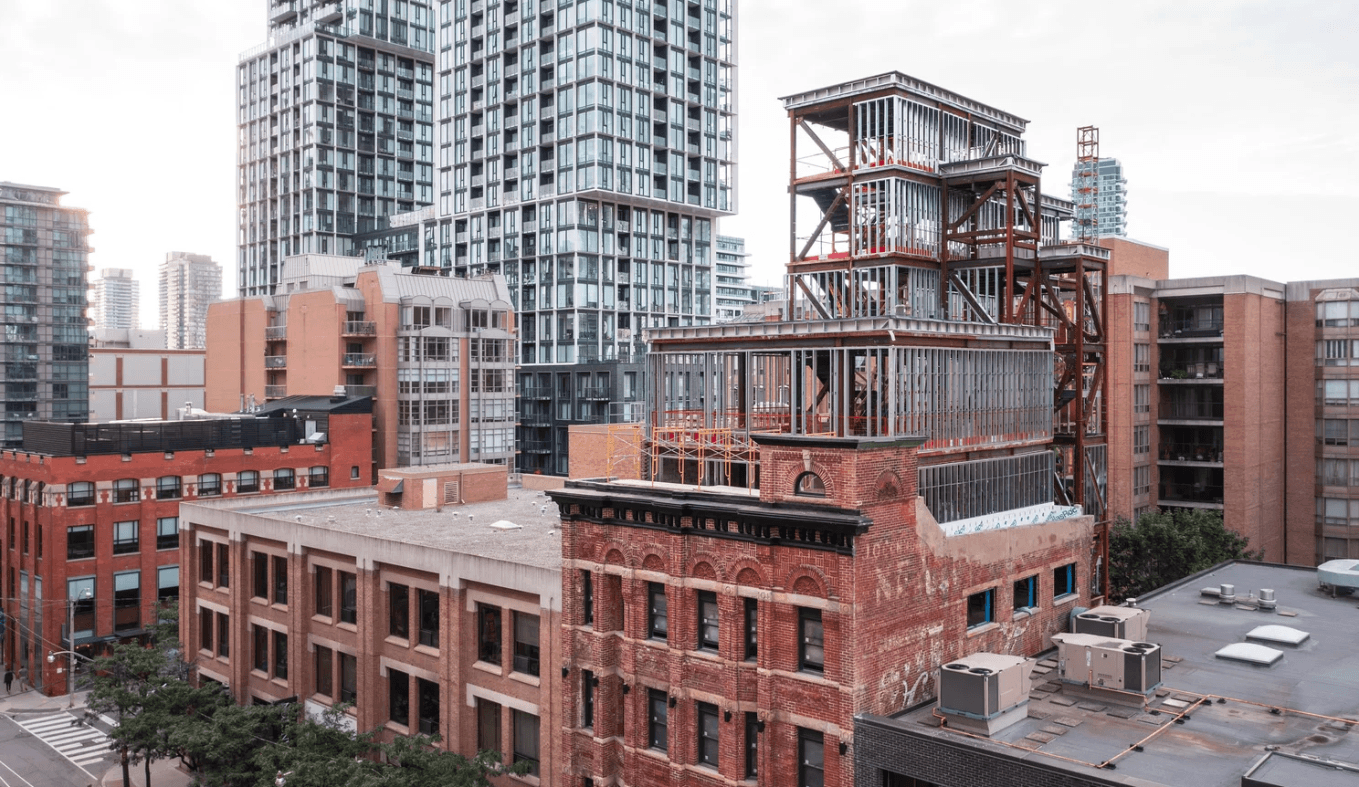
Developer Oldstonehenge (working with Studio JCI) undertook to transform the building into a boutique aparthotel, with a four storey addition on top of the existing heritage structure.
After a full restoration, the building reopened as a hotel, its original function, for the first time in decades. A ghost sign still visible on the building's upper west wall today reads "Nealon House. J. O'Connor Prop.," a fossil of the O'Connor family's ownership, having quietly survived every reinvention the building went through.